
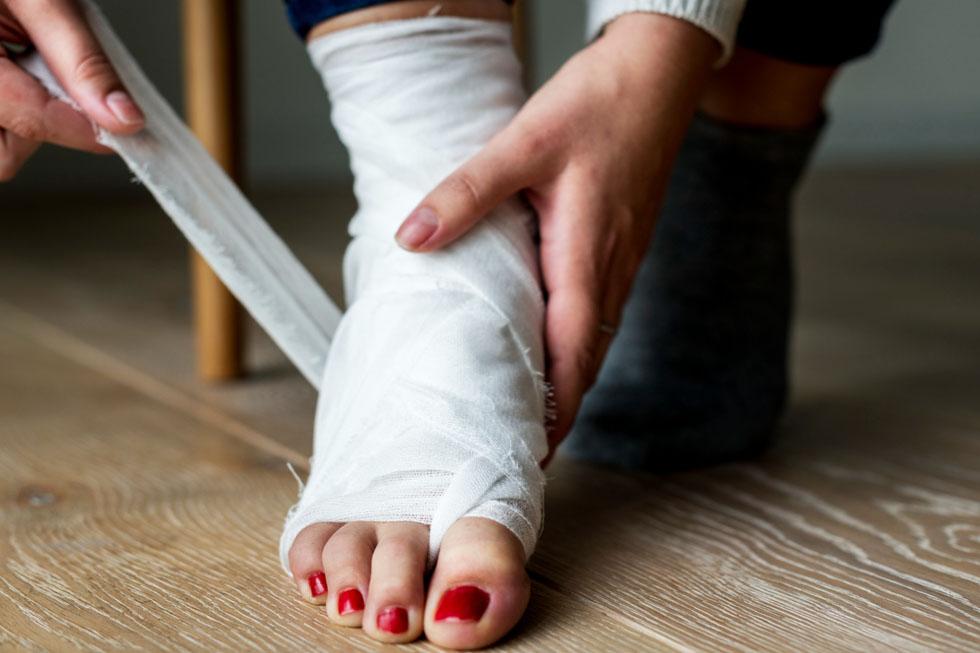
When your wound refuses to heal despite months of standard treatment, you face a critical decision: continue with wound healing therapy Kerala conventional approaches or add hyperbaric oxygen therapy? This evidence-based comparison helps you understand which treatment—or combination—offers the best chance of healing.
Understanding Conventional Wound Care
Before comparing effectiveness, let’s define what “conventional wound care” encompasses.
Standard Wound Care Protocol:
- Wound Assessment and Classification
- Measurement (length, width, depth)
- Tissue type assessment
- Infection evaluation
- Vascular status check
- Pain assessment
- Wound Cleansing
- Normal saline irrigation
- Gentle debridement (removal of dead tissue)
- Infection control
- Maintaining clean wound bed
- Debridement
- Sharp debridement: Surgical removal of dead tissue
- Enzymatic debridement: Chemical breakdown of necrotic tissue
- Autolytic debridement: Body’s own enzymes break down tissue
- Mechanical debridement: Physical removal (less common now)
- Advanced Dressings
- Hydrocolloids: Maintain moist environment
- Hydrogels: Donate moisture to dry wounds
- Alginates: Absorb excess exudate
- Foams: Cushion and absorb drainage
- Antimicrobial dressings: Silver, iodine, honey-based
- Negative pressure wound therapy (NPWT): Vacuum-assisted closure
- Infection Management
- Topical antimicrobials
- Systemic antibiotics (when indicated)
- Culture-guided therapy
- Biofilm disruption strategies
- Offloading and Pressure Relief
- Total contact casting (diabetic foot ulcers)
- Specialized boots and braces
- Pressure-relief mattresses (pressure ulcers)
- Crutches, wheelchairs (non-weight bearing)
- Moisture Management
- Maintaining optimal moisture balance
- Managing exudate (drainage)
- Protecting periwound skin
- Compression Therapy
- Venous ulcers: Compression bandaging
- Edema reduction
- Improving venous return
- Vascular Assessment and Intervention
- Ankle-brachial index (ABI)
- Doppler ultrasound
- Angioplasty/stenting if needed
- Bypass surgery for severe arterial disease
- Underlying Condition Management
- Diabetes control (target HbA1c <7%)
- Blood pressure management
- Nutrition optimization
- Smoking cessation
- Chronic disease management
- Patient Education
- Wound care techniques
- Signs of infection
- Prevention strategies
- Lifestyle modifications
When Conventional Care Works Well:
✅ Acute wounds (fresh injuries healing normally)
✅ Clean surgical wounds (no complications)
✅ Minor chronic wounds (small, shallow)
✅ Wounds with good blood supply
✅ Well-controlled diabetes
✅ No infection or biofilm
✅ Patient compliance high
Typical Success Rate: 60-70% of wounds heal with proper conventional care within 12 weeks.
When Conventional Care Falls Short:
❌ Ischemic wounds (poor blood supply)
❌ Large, deep chronic ulcers
❌ Diabetic foot ulcers (especially with neuropathy and arterial disease)
❌ Biofilm-infected wounds (resistant to antibiotics)
❌ Radiation-damaged tissue
❌ Wounds stuck in inflammatory phase
❌ Failed healing after 6+ months
Problem: 30-40% of chronic wounds don’t heal despite optimal conventional care.
Why? These wounds lack adequate oxygen delivery at the cellular level—the fundamental requirement for healing.
How HBOT Changes the Wound Healing Equation
Hyperbaric oxygen therapy addresses the core problem preventing chronic wound healing: tissue hypoxia (low oxygen).
HBOT Mechanism in Wound Healing:
Problem: Chronic wounds typically have tissue oxygen levels of 5-10 mmHg (normal: 30-40 mmHg, optimal for healing: 40-60 mmHg)
Without adequate oxygen:
- Fibroblasts cannot produce collagen
- Immune cells cannot kill bacteria
- Angiogenesis (new blood vessel formation) cannot occur
- Epithelial cells cannot multiply
- Wound remains stuck in chronic inflammatory state
HBOT Solution: Increases tissue oxygen to 200-400 mmHg during treatment
Immediate Effects (During Treatment):
- Oxygen floods hypoxic tissue via dissolved oxygen in plasma
- Bypasses circulatory problems (reaches tissue despite poor blood flow)
- Supercharges cellular metabolism (ATP production increases)
- Enhances immune function (white blood cells kill bacteria 300% better)
Long-Term Effects (After Treatment Course):
- Angiogenesis: New blood vessels form (permanent improvement in perfusion)
- Collagen synthesis: Wound fills with structural protein
- Epithelialization: New skin grows over wound
- Biofilm disruption: Chronic infections resolved
- Inflammation resolution: Wound progresses from chronic to healing phase
Critical Insight: HBOT doesn’t replace conventional wound care—it enhances it. The combination is more powerful than either alone.
Head-to-Head Comparison: Effectiveness Data
Let’s examine the evidence comparing wound healing therapy Kerala conventional approaches with HBOT.
Clinical Trial Evidence:
- Diabetic Foot Ulcers – Cochrane Review Analysis
Study: Systematic review of multiple randomized controlled trials
Conventional Care Alone:
- Healing rate: 40-50% at 12 weeks
- Average healing time: 24-45 weeks (if heals)
- Amputation rate: 15-25%
Conventional Care + HBOT:
- Healing rate: 75-85% at 12 weeks
- Average healing time: 12-24 weeks
- Amputation rate: 6-8%
Statistical Significance: P < 0.01 (highly significant)
Conclusion: HBOT significantly improves healing rates and reduces amputations.
- Faglia Study (Italy, 1996) – Gold Standard Research
Design: Randomized controlled trial, 70 patients with diabetic foot ulcers
Group A (Conventional Care Only):
- Standard wound care, offloading, infection control
- Major amputation rate: 33% (23 of 70 patients)
- Healing rate: 52%
Group B (Conventional Care + HBOT):
- Same conventional care PLUS 40 HBOT sessions
- Major amputation rate: 8.6% (6 of 70 patients)
- Healing rate: 77%
Result: HBOT reduced amputation risk by 74% compared to conventional care alone.
Follow-up: Benefits sustained at 2-year follow-up.
- Löndahl Study (Sweden, 2010) – Rigorous Methodology
Design: Randomized, double-blind, placebo-controlled trial (rare for HBOT)
Participants: 94 patients with diabetic foot ulcers
Control Group (Conventional Care + Sham HBOT):
- Standard wound care + placebo chamber sessions (air, not oxygen, no pressure increase)
- Complete healing: 29%
- Amputation rate: 17%
Treatment Group (Conventional Care + Real HBOT):
- Standard wound care + actual HBOT (2.5 ATA, 100% oxygen)
- Complete healing: 52%
- Amputation rate: 10%
Statistical Significance: P = 0.03 (significant improvement with HBOT)
One-Year Follow-Up: Healing remained better in HBOT group, recurrence rates similar.
- Meta-Analysis (Doctor’s Data, 2014)
Scope: Combined analysis of 1,400+ patients across multiple studies
Finding: HBOT added to conventional care:
- Reduces amputation risk: 60-70% reduction
- Improves healing rates: 40-50% increase
- Accelerates healing time: 50% faster
- Cost-effective: Saves money compared to amputation
Conclusion: “Strong evidence supports HBOT as adjunctive therapy for diabetic foot ulcers.”
- Chronic Radiation Wounds – Evidence
Conventional Treatment:
- Success rate: 20-30% (radiation damage very difficult to heal)
- Healing time: 6-12+ months if successful
- Often requires: Multiple surgeries, tissue grafts
Conventional Treatment + HBOT:
- Success rate: 70-80%
- Healing time: 3-6 months
- Surgical success improved: HBOT before/after surgery enhances graft survival
FDA Recognition: HBOT is FDA-approved for radiation tissue damage—strong evidence of effectiveness.
- Venous Leg Ulcers – Mixed Evidence
Conventional Treatment (Compression Therapy):
- Healing rate: 60-70% at 24 weeks (compression is effective)
- Gold standard: Compression is primary treatment
Adding HBOT:
- Healing rate: 75-85% at 24 weeks
- Benefit: Modest improvement, most benefit in refractory cases
Conclusion: HBOT not first-line for venous ulcers (compression is), but valuable for ulcers failing compression therapy.
- Pressure Ulcers (Bedsores) – Emerging Evidence
Conventional Treatment:
- Healing rate: 50-70% depending on stage
- Challenges: Often in debilitated patients, multiple comorbidities
Adding HBOT:
- Healing rate: 70-85%
- Most benefit: Stage 3-4 ulcers (deep, difficult)
- Evidence: Growing but less extensive than diabetic ulcers
Summary Statistics:
| Wound Type | Conventional Only | Conventional + HBOT | Improvement |
| Diabetic Foot Ulcers | 40-50% heal | 75-85% heal | +35-40% |
| Amputation Prevention | 75-85% avoid | 92-94% avoid | +15-20% |
| Radiation Wounds | 20-30% heal | 70-80% heal | +50% |
| Chronic Wounds (General) | 60-70% heal | 80-90% heal | +20% |
| Healing Time | 24-45 weeks | 12-24 weeks | 50% faster |
The Verdict: Adding HBOT to conventional care significantly improves outcomes across wound types.
Why the Combination Works Best
HBOT and conventional wound care aren’t competing treatments—they’re synergistic.
What Conventional Care Provides:
✅ Local wound environment optimization
- Cleansing, debridement, appropriate dressings
- Moisture balance
- Infection control
- Mechanical support (offloading)
✅ Systemic support
- Blood sugar control
- Nutrition optimization
- Medication management
- Comorbidity treatment
✅ Patient education and compliance
- Teaching proper care techniques
- Lifestyle modifications
- Prevention strategies
What HBOT Adds:
✅ Cellular-level oxygen delivery
- Overcomes circulation problems
- Reaches hypoxic tissue
- Enables healing processes
✅ Biological enhancement
- Angiogenesis (new blood vessels)
- Collagen synthesis
- Stem cell mobilization
- Immune function boost
✅ Addresses root cause
- Tissue hypoxia is fundamental problem in chronic wounds
- No amount of local wound care can compensate for lack of oxygen
- HBOT provides the oxygen tissues need to heal
The Synergy:
Example: Diabetic Foot Ulcer
Conventional Care:
- Debrids dead tissue → Creates clean wound bed
- Applies antimicrobial dressing → Controls surface bacteria
- Offloads with special boot → Removes pressure
- Controls blood sugar → Reduces systemic impairment
Problem: Despite all this, wound doesn’t heal because tissue oxygen is 8 mmHg (needs 40-60 mmHg)
Add HBOT:
- Increases tissue oxygen to 300 mmHg during sessions
- Triggers angiogenesis → New blood vessels form
- Enhances collagen production → Wound fills in
- Boosts immune cells → Deep infection clears
- Stimulates epithelial growth → Skin covers wound
Result: The clean, protected wound bed created by conventional care now has the oxygen needed to actually heal. Wound closes in 8-12 weeks instead of remaining chronic.
Key Insight: Conventional care + HBOT achieves what neither can alone.
Real-World Outcomes: Kerala Patient Cases
Let’s see how wound healing therapy Kerala compares in actual practice.
Case Study 1: Diabetic Foot Ulcer – Conventional vs. Combined
Patient Background: Mr. Ramesh, 66, Type 2 diabetes for 15 years
Initial Treatment (8 Months – Conventional Care Only):
Protocol:
- Weekly wound clinic visits
- Sharp debridement every 2 weeks
- Silver antimicrobial dressings
- Total contact cast for offloading
- Oral antibiotics (3 courses)
- HbA1c improved from 9.2% to 7.8%
Result after 8 months:
- Wound size: 4cm x 3cm x 1.5cm (minimal reduction from 4.5cm x 3.5cm x 1.8cm at start)
- Still infected despite antibiotics
- Developing bone involvement
- Amputation recommended
Patient Quote: “I was following everything the doctor said. Every week, they’d clean it, change dressings, give me antibiotics. But it just wouldn’t heal. I was so frustrated and scared.”
Added HBOT Treatment (10 Weeks – Combined Approach):
Protocol:
- Continued conventional wound care (debridement, dressings, offloading)
- Added: 35 HBOT sessions at Maana Health Kochi
- Pressure: 1.5 – 2.4 ATA
- Duration: 90 minutes per session
- Frequency: 5 days/week
Result after 10 weeks:
- Complete wound healing
- Bone infection resolved (follow-up X-ray clear)
- No amputation needed
- Walking independently with proper diabetic footwear
Patient Quote: “The HBOT made all the difference. The wound that hadn’t budged in 8 months closed completely in 10 weeks once I started the oxygen therapy. I wish I’d done it sooner—would have saved 8 months of suffering.”
Cost Comparison:
- 8 months conventional care: ₹45,000 (weekly visits, dressings, antibiotics, casting)
- 10 weeks conventional + HBOT: ₹1,40,000 (HBOT package ₹1,19,000 + wound care ₹21,000)
- Amputation costs avoided: ₹6,00,000 – ₹15,00,000
Analysis: Conventional care alone failed for 8 months. Adding HBOT achieved healing in 10 weeks. While HBOT added cost, it prevented amputation and saved money long-term.
Case Study 2: Pressure Ulcer – Progression Comparison
Patient Background: Mrs. Lakshmi, 78, bedridden after hip fracture, Stage 3 sacral pressure ulcer
Hospital A (Conventional Care – 6 Months):
Protocol:
- Daily dressing changes
- Air mattress for pressure relief
- Nutritional supplementation
- Repositioning every 2 hours
- Foam dressings
Outcome:
- Wound reduced from 8cm to 6cm over 6 months (25% reduction)
- Still Stage 3 depth
- Plateau reached—no further improvement for 2 months
- Family considering nursing home (can’t manage at home)
Transferred to Maana Health Aluva (Combined Approach – 8 Weeks):
Protocol:
- Continued conventional care (pressure relief, nutrition, repositioning)
- Added: 30 HBOT sessions
- Specialized wound care program
- Family caregiver training
Outcome:
- Complete wound closure in 8 weeks
- Skin integrity restored
- Patient able to return home
- Caregiver burden manageable
Family Quote: “Six months at the other hospital with minimal progress. Eight weeks at Rajagiri with HBOT and the wound finally healed. The HBOT was the missing piece. We’re so grateful we didn’t have to put her in a nursing home.”
Cost Comparison:
- 6 months conventional (Hospital A): ₹3,50,000 (hospital stay, daily wound care)
- 8 weeks combined (Maana Health): ₹1,85,000 (HBOT ₹1,02,000 + wound care ₹83,000)
- Nursing home avoided: ₹50,000/month = ₹6,00,000/year saved
Analysis: Conventional care reduced wound but couldn’t achieve closure. HBOT broke through the plateau and achieved complete healing, enabling home discharge.
Case Study 3: Sports Injury – Accelerated Healing
Patient Background: Arun, 24, semi-professional footballer, Grade 2 muscle tear (hamstring)
Standard Protocol (Conventional – Projected 12-14 weeks):
Treatment:
- RICE (Rest, Ice, Compression, Elevation)
- Physical therapy 3x/week
- Gradual strengthening program
- Anti-inflammatory medications
Projected Outcome:
- Full return to sport: 12-14 weeks
- Miss entire tournament season
- Risk of re-injury without complete healing
Enhanced Protocol (Conventional + HBOT – 6 Weeks):
Treatment:
- Same physiotherapy program
- Added: 18 HBOT sessions at Maana Health Kochi
- Pressure: 1.5 – 2.0 ATA
- Accelerated but safe progression
Actual Outcome:
- Full return to competition: 6 weeks (50% faster)
- Competed in important tournament (won)
- No re-injury (18 months follow-up)
- Performance levels maintained
Patient Quote: “As an athlete, time is everything. Six weeks instead of fourteen meant I made the tournament that changed my career. The ₹85,000 I spent on HBOT was the best investment I ever made. I came back stronger, not just healed.”
Cost-Benefit:
- HBOT investment: ₹85,000 (18 sessions + physiotherapy)
- Tournament prize money: ₹2,00,000 (team won)
- Sponsorship preserved: ₹3,00,000/year (would have lost if missed season)
- ROI: Immediate and substantial
Analysis: Conventional care works for sports injuries but takes time. HBOT accelerated healing by 50%, enabling return to competition with career and financial benefits far exceeding treatment cost.
When to Choose Conventional Care Alone
HBOT isn’t necessary for every wound. Here’s when conventional care is sufficient.
Good Candidates for Conventional Care Only:
✅ Acute wounds healing normally
- Fresh surgical incisions
- Minor cuts and abrasions
- Recent burns (first-degree, small second-degree)
- Healing on expected timeline
✅ Wounds with good blood supply
- Palpable pulses
- Normal Ankle-Brachial Index (ABI > 0.8)
- Adequate perfusion
✅ Responsive wounds
- Showing weekly improvement (20-30% size reduction in 4 weeks)
- Healthy granulation tissue forming
- No infection or infection responding to treatment
✅ Small, shallow chronic wounds
- Less than 2cm diameter
- Superficial depth
- Recent onset (< 6 weeks)
✅ Venous ulcers with good compression compliance
- Compression therapy is gold standard
- If responding to compression, HBOT not needed
✅ Financial constraints with responsive wound
- If wound is healing (even slowly) with conventional care
- Patient cannot afford HBOT
- Continue conventional care with close monitoring
Decision Point: Give Conventional Care 4-6 Weeks
If wound shows:
- ✅ 20-30% size reduction in 4 weeks → Continue conventional care
- ✅ Healthy granulation tissue → Continue conventional care
- ✅ No infection → Continue conventional care
- ✅ Patient satisfied with progress → Continue conventional care
But if wound shows:
- ❌ No improvement or worsening
- ❌ Persistent infection
- ❌ Exposed bone/tendon
- ❌ Large size (>2cm) with no progress
- ❌ Patient facing amputation → Add HBOT to conventional care
When to Add HBOT to Conventional Care
These situations benefit most from combined approach in wound healing therapy Kerala.
Strong Indications for HBOT + Conventional Care:
✅ Diabetic foot ulcers (especially if):
- Present > 6 weeks despite appropriate care
- Size > 1cm
- Deep (reaching tendon, bone, joint)
- Infection present (especially bone infection)
- Poor blood supply (ABI < 0.7)
- Facing amputation
- Evidence: Strongest data supports HBOT for diabetic ulcers
✅ Chronic wounds failing conventional care:
- No improvement after 6-8 weeks appropriate treatment
- Stuck in inflammatory phase
- Biofilm infection resistant to antibiotics
- Wound plateau (no change for 4+ weeks)
✅ Ischemic wounds (poor circulation):
- Arterial insufficiency ulcers
- Not surgical candidates for revascularization
- Post-revascularization surgery (helps grafts/stents succeed)
- Critical limb ischemia
✅ Radiation-damaged tissue:
- Late radiation effects (months to years after cancer treatment)
- Radiation cystitis (bladder)
- Osteoradionecrosis (bone death)
- Soft tissue radionecrosis
- Evidence: FDA-approved indication
✅ Osteomyelitis (bone infection):
- Chronic bone infection not responding to antibiotics
- Adjunct to surgical debridement
- Enhances antibiotic effectiveness
- Evidence: FDA-approved indication
✅ Compromised skin grafts/flaps:
- Surgical reconstruction at risk of failure
- Poor tissue quality
- HBOT before and after surgery improves success
- Evidence: FDA-approved indication
✅ Large, deep wounds:
- 4cm diameter
- Full-thickness (through all skin layers)
- Muscle, tendon, or bone exposed
- Slow natural healing expected
✅ Immunocompromised patients:
- Diabetes
- Chronic kidney disease
- On immunosuppressive medications
- HIV/AIDS
- Healing capacity impaired
✅ Burns (specific indications):
- Partial-thickness burns >20% body surface
- Smoke inhalation injury
- Preventing conversion to full-thickness
- Evidence: Limited but promising
Moderate Indications (Consider HBOT):
⚠️ Venous leg ulcers (if compression fails) ⚠️ Pressure ulcers Stage 3-4 (not responding to standard care) ⚠️ Traumatic wounds with tissue loss and poor healing
Weak/No Indication:
❌ Venous ulcers responding to compression (compression is sufficient)
❌ Small acute wounds healing normally (unnecessary expense)
❌ Arterial ulcers pre-revascularization (fix blood supply first)
❌ Malignant wounds (cancer in wound—HBOT controversial)
Cost-Effectiveness Analysis
Is adding HBOT to conventional care worth the additional cost?
![Cost analysis chart: Conventional vs. Combined approach over 5 years]
Short-Term Costs (Diabetic Foot Ulcer Example):
Conventional Care Alone (6-12 months typical course):
- Weekly wound clinic visits: ₹1,000 x 24-48 weeks = ₹24,000-48,000
- Dressings and supplies: ₹2,000/month x 6-12 = ₹12,000-24,000
- Medications (antibiotics, pain): ₹5,000-15,000
- Casting/offloading devices: ₹5,000-10,000
- Diagnostic tests: ₹5,000-10,000
- Total: ₹51,000-1,07,000
Outcome: 40-50% heal, 50-60% remain chronic or require amputation
Conventional Care + HBOT (3-4 months typical course):
- HBOT sessions (30-40): ₹1,32,000-1,48,000
- Concurrent wound care: ₹15,000-25,000
- Medications: ₹5,000-10,000
- Offloading: ₹5,000-10,000
- Tests: ₹5,000-10,000
- Total: ₹1,62,000-2,03,000
Outcome: 75-85% heal, 15-25% require further treatment
Initial Cost Difference: ₹1,11,000-96,000 MORE for combined approach
But consider long-term…
Long-Term Cost Comparison (5 Years):
Scenario A: Conventional Care Alone → Amputation (happens in 20-30% of cases)
- Below-knee amputation surgery: ₹2,50,000-5,00,000
- Hospital stay (7-10 days): ₹70,000-1,50,000
- Prosthetic limb: ₹3,00,000-8,00,000
- Prosthetic maintenance/replacement: ₹60,000/year x 5 = ₹3,00,000
- Rehabilitation: ₹1,00,000-2,00,000
- Complications (infection, revision surgery): ₹1,00,000-3,00,000
- Lost productivity/disability: Variable but substantial
- Total 5-Year Cost: ₹11,80,000-22,50,000
Scenario B: Conventional Care Alone → Chronic Wound (happens in 30-40%)
- Ongoing wound care: ₹10,000/month x 60 months = ₹6,00,000
- Recurrent infections/hospitalizations: ₹1,00,000-3,00,000
- Reduced mobility/quality of life: Substantial but hard to quantify
- Eventually may still require amputation
- Total 5-Year Cost: ₹7,00,000-9,00,000 (plus potential amputation later)
Scenario C: Combined Approach (HBOT + Conventional) → Healing
- Initial treatment investment: ₹1,62,000-2,03,000
- Follow-up care (minimal): ₹20,000-40,000
- Prevention education and footwear: ₹10,000-20,000
- Regular foot exams: ₹5,000-10,000
- Total 5-Year Cost: ₹1,97,000-2,73,000
Cost-Effectiveness Summary:
| Outcome | 5-Year Cost | Success Rate |
| Conventional → Amputation | ₹11,80,000-22,50,000 | 20-30% end here |
| Conventional → Chronic | ₹7,00,000-9,00,000+ | 30-40% end here |
| Combined → Healing | ₹1,97,000-2,73,000 | 75-85% achieve this |
The Math: Spending ₹1.1 lakh more upfront for HBOT saves ₹5-20 lakhs over 5 years by avoiding amputation or chronic wound management.
Cost-Effectiveness Ratio: For every ₹1 spent on HBOT (beyond conventional care), you save ₹3-10 in long-term costs.
Conclusion: HBOT + Conventional care is more cost-effective than conventional care alone, despite higher initial investment.
Patient Decision Framework
How do you decide between conventional care alone vs. adding HBOT?
Step-by-Step Decision Process:
Step 1: Start with Appropriate Conventional Care
- Proper wound assessment
- Evidence-based dressing selection
- Infection control
- Offloading/pressure relief
- Underlying condition management
- Patient education
Give it 4 weeks
Step 2: Assess Progress at 4 Weeks
✅ If wound shows 20-30% size reduction:
- Continue conventional care
- Reassess every 2 weeks
- If continued improvement → likely will heal with conventional care alone
❌ If wound shows <10% reduction or no improvement:
- High risk of becoming chronic wound
- Consider adding HBOT now (don’t wait months)
- Early HBOT intervention prevents chronic wound complications
Step 3: Evaluate Additional Risk Factors
High Risk for Failure (Strong HBOT Candidate):
- Diabetes with poor control (HbA1c > 8%)
- Poor blood supply (ABI < 0.7, non-palpable pulses)
- Wound >2cm diameter
- Deep wound (reaching bone, tendon, joint)
- Infection present (especially bone infection/osteomyelitis)
- Previous failed healing attempts
- Immunocompromised
- Radiation-damaged tissue
If 2+ high-risk factors → Strong recommendation for HBOT
Step 4: Consider Stakes and Urgency
High Stakes (Add HBOT):
- Facing amputation recommendation
- Limb-threatening infection
- Rapid wound deterioration
- Career/livelihood at risk (athletes, manual laborers)
- Poor quality of life from chronic wound
Lower Stakes (Continue Conventional, Monitor Closely):
- Small, stable wound
- Minimal functional impact
- Good response to conventional care
- Financial constraints
Step 5: Evaluate Practical Factors
Can you:
- ✅ Afford HBOT (₹1.5-2.5 lakhs including concurrent care)?
- ✅ Commit to 40-60 sessions over 8-12 weeks?
- ✅ Travel to HBOT facility 5 days/week?
- ✅ Continue concurrent conventional care?
If yes to all → Proceed with HBOT
If no:
- Explore payment plans, insurance coverage
- Consider family support, medical loans
- Prioritize if stakes are high (amputation risk)
- Don’t let cost prevent necessary treatment if facing limb loss
Step 6: Make Informed Decision
Choose Combined Approach (HBOT + Conventional) if:
- Wound not responding to 4-6 weeks conventional care
- High-risk features present
- Facing significant consequences (amputation, chronic disability)
- Can manage logistics and cost
Continue Conventional Care Alone if:
- Wound showing good response (20-30% reduction in 4 weeks)
- Low-risk features
- Financial/logistical barriers significant
- BUT: Monitor closely and reconsider if progress stalls
Frequently Asked Questions
Should I try conventional care first before HBOT?
For most new wounds, yes—start with appropriate conventional care and assess response over 4-6 weeks. However, for high-risk wounds (large diabetic ulcers, bone infection, facing amputation), consider adding HBOT earlier rather than waiting months.
Can I do HBOT without conventional wound care?
No. HBOT enhances conventional care but doesn’t replace it. You need debridement, appropriate dressings, offloading, infection control, AND oxygen therapy for best results. HBOT facilities that don’t provide or coordinate comprehensive wound care are not following best practices.
My doctor says conventional care is enough. Should I insist on HBOT?
Trust your doctor’s expertise, but also: (1) Ask about expected timeline and success rate for your specific wound. (2) If wound hasn’t improved after 6-8 weeks, discuss HBOT as option. (3) Seek second opinion if facing amputation—HBOT may offer alternative. (4) Remember: Many doctors aren’t familiar with HBOT evidence due to limited training exposure.
How do I know if my wound qualifies for HBOT?
Schedule consultation at Maana Health. Board-certified PM&R specialists evaluate your wound and medical history to determine if HBOT is appropriate. Generally, non-healing wounds after 4-6 weeks of proper conventional care are candidates.
Will insurance cover HBOT if conventional care failed?
Possibly. Diabetic foot ulcers that haven’t healed after 30 days of conventional care have better insurance approval rates. Documentation of failed conventional treatment strengthens your case. We help with insurance authorization and appeals.
Can HBOT work if conventional care completely failed?
Yes. Many patients come to HBOT after 6-12 months of failed conventional care and still achieve healing. The wound may have plateaued or even worsened, but HBOT can restart the healing process. Earlier is better, but it’s rarely “too late.”
What if I can only afford one or the other?
If choosing between ONLY conventional care OR ONLY HBOT: Choose conventional care first for most wounds. HBOT works best combined with conventional care. However, if conventional care has already failed for months, investing in HBOT (while continuing basic wound care) may be your best option.
How quickly will I see improvement with HBOT?
Most patients notice changes within 2-3 weeks (after 10-15 sessions): reduced pain, better wound appearance, decreased drainage. Measurable size reduction typically by week 4-6. Complete healing usually 8-12 weeks for responsive wounds.
What if HBOT doesn’t work for my wound?
While 75-85% of appropriate candidates achieve healing, 15-25% don’t fully heal with HBOT. Reasons include: severe arterial disease requiring surgery first, untreated infection, non-compliance with offloading, uncontrolled diabetes. We assess progress every 20 sessions and adjust plan. If not responding, we discuss alternatives including surgical options.
Expert Recommendations
Based on comprehensive evidence review, here are our recommendations for wound healing therapy Kerala.
Our Position:
- Start with Quality Conventional Care
- Proper conventional wound care is foundation
- 60-70% of wounds heal with appropriate conventional treatment
- Don’t jump to HBOT without trying evidence-based conventional approaches first
- Add HBOT Early for High-Risk Wounds
- Don’t wait 6-12 months of failed conventional care
- If wound shows <10% improvement after 4-6 weeks conventional care + high-risk features → add HBOT
- Early HBOT intervention prevents complications and saves time/money
- HBOT + Conventional is Superior to Either Alone
- Synergistic approach yields best outcomes
- HBOT without conventional care is incomplete
- Conventional care without HBOT may be inadequate for chronic wounds
- Evidence Strongly Supports Combined Approach for:
- ✅ Diabetic foot ulcers (strongest evidence)
- ✅ Ischemic wounds with poor circulation
- ✅ Radiation-damaged tissue
- ✅ Chronic wounds failing conventional care
- ✅ Bone infections (osteomyelitis)
- ✅ Compromised surgical grafts/flaps
- Cost Should Not Prevent HBOT When Stakes Are High
- Amputation costs 5-10x more than HBOT over 5 years
- Chronic wound management costs 3-5x more than HBOT
- HBOT is investment, not expense—prevents worse outcomes
- Payment plans, insurance, loans available—explore all options
- Choose Experienced, Quality HBOT Providers
- Medical-grade equipment essential (Biobarica Revitalair 430, etc.)
- Physician supervision required
- Evidence-based protocols necessary
- In Kerala: Maana Health locations offer proven quality
- Don’t waste money on inadequate soft-chamber “wellness” facilities
Take Action: Optimize Your Wound Healing
If you have a chronic wound that’s not healing, don’t accept it as permanent.
Your Next Steps:
If Currently in Conventional Care:
Week 1-4 of Treatment:
- Give conventional care fair trial
- Follow all recommendations
- Assess progress at 4 weeks
If Good Progress (20-30% reduction):
- Continue conventional care
- Monitor closely
- Reassess every 2 weeks
If Poor/No Progress:
- Schedule HBOT consultation
- Don’t wait months—consider adding HBOT now
- Earlier intervention = better outcomes
If Facing Amputation:
- Get second opinion that includes HBOT evaluation
- Don’t accept amputation without trying HBOT first
- HBOT saves 60-70% of limbs scheduled for amputation
If New to Wound Treatment:
Step 1: Start with Quality Conventional Care
- Find experienced wound care specialist
- Ensure all components addressed (see beginning of article)
- Commit to 4-6 weeks of proper treatment
Step 2: Assess Response
- If healing well → continue
- If not improving → add HBOT
Step 3: Consider HBOT Consultation Early if:
- Diabetic foot ulcer > 2cm
- Poor blood supply
- Bone involvement
- Persistent infection
- Multiple previous failures
Schedule Consultation Today:
Maana Health – Three Locations
Kochi:
- Central Kerala convenience
- Modern facility
- 📞 +91 99950 89400
Calicut:
- Serving North Kerala
- Quality care locally
- 📞 +91 99950 89400
Rajagiri Hospital, Aluva:
- Hospital-based comprehensive care
- Most experienced (4+ years)
- 📞 +91 99950 89400
What to Bring:
- Recent wound photos
- Medical records
- List of treatments tried
- Current medications
- Questions you want answered
What We’ll Provide:
- Comprehensive wound evaluation
- Assessment of HBOT suitability
- Evidence-based recommendation
- Treatment plan with realistic expectations
- Cost estimate with payment options
- Coordination with your current care team
The Bottom Line: Evidence-Based Choice
Wound healing therapy Kerala offers both excellent conventional care and advanced HBOT. The question isn’t which is “better”—it’s which approach is right for your specific situation.
Summary of Evidence:
✅ Conventional care works for 60-70% of wounds
✅ HBOT + conventional care works for 75-85% of wounds
✅ HBOT reduces amputation risk by 60-70%
✅ HBOT accelerates healing by 50% (half the time)
✅ Combined approach is cost-effective long-term despite higher initial investment
✅ Earlier HBOT intervention produces better outcomes than waiting months
Your Decision:
Choose conventional care alone if:
- Wound is new and responding well
- Low-risk features
- Good blood supply
- Showing 20-30% improvement every 4 weeks
Add HBOT to conventional care if:
- Wound not improving after 4-6 weeks
- High-risk features (diabetes, poor circulation, large size, infection)
- Facing amputation
- Previous conventional treatment failures
- Stakes are high (limb-threatening, career impact, quality of life)
The goal: Healing your wound as quickly and completely as possible while preserving function and preventing complications.
The path: Evidence-based combination of conventional wound care and HBOT when indicated.
The outcome: Best chance of healing, lowest amputation risk, optimal long-term results.