
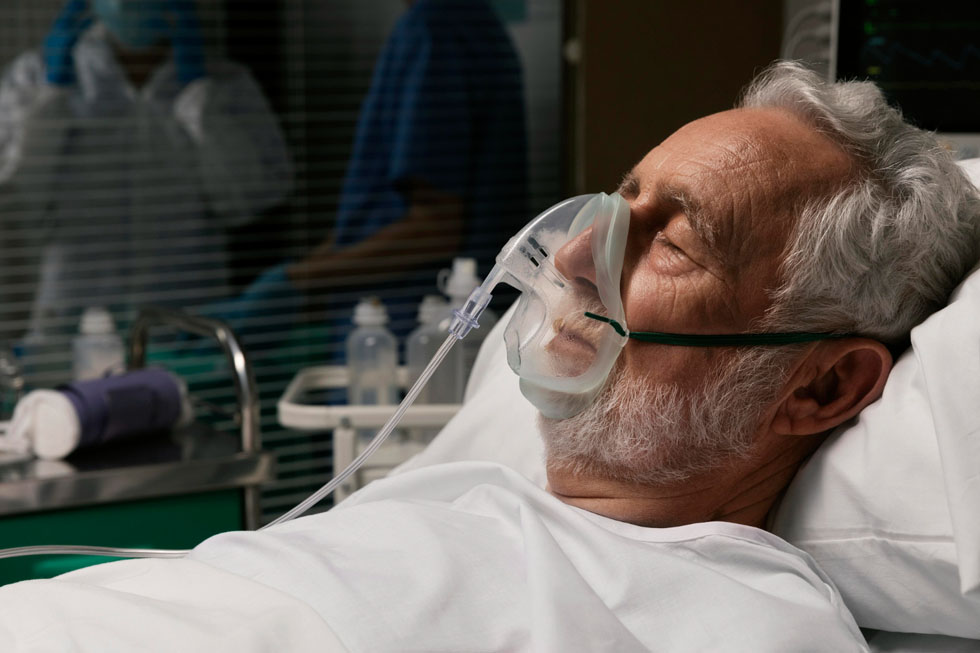
Stroke is the second leading cause of death worldwide and a major cause of disability in Kerala. Stroke recovery treatment Kerala with hyperbaric oxygen therapy (HBOT) is offering new hope to survivors who have plateaued in their recovery or are seeking to maximize their rehabilitation outcomes.
The Stroke Burden in Kerala
Kerala faces a significant stroke challenge, with higher incidence rates than the national average due to an aging population, high diabetes prevalence, and lifestyle factors.
Understanding the Numbers:
Incidence in Kerala:
- Approximately 1 in 6 people will have a stroke in their lifetime
- 150-200 cases per 100,000 population annually
- Rising incidence in younger populations (40-50 years)
- Higher prevalence of risk factors (diabetes, hypertension, smoking)
Impact:
- Leading cause of adult disability
- 30-40% of survivors have moderate to severe disability
- 20% require institutional care
- 15-30% become permanently disabled
- Significant psychological impact (depression, anxiety)
- Enormous financial burden on families
Types of Stroke:
- Ischemic stroke: 87% of cases – blood clot blocks brain artery
- Hemorrhagic stroke: 13% of cases – blood vessel ruptures
- TIA (mini-stroke): Temporary blockage, warning sign
The Rehabilitation Challenge:
Traditional stroke rehabilitation includes:
- Physical therapy
- Occupational therapy
- Speech and language therapy
- Medications
- Supportive care
The Problem:
- Many patients plateau after 3-6 months
- Conventional wisdom: “limited recovery window”
- Residual deficits remain despite best efforts
- Frustration for patients and families
- Quality of life significantly impacted
The Question: “Is this as good as it gets?”
For decades, the answer was “yes.” But stroke recovery treatment Kerala with HBOT is challenging that assumption.
What Every Stroke Survivor Should Know About HBOT
Hyperbaric oxygen therapy represents a paradigm shift in understanding stroke recovery.
The Penumbra Concept:
When stroke occurs, brain tissue is affected in two ways:
- Core Infarct (Dead Zone)
- Brain cells killed immediately by lack of oxygen
- Permanent, irreversible damage
- Cannot be recovered
- Penumbra (Salvageable Zone)
- Surrounding tissue that’s injured but not dead
- Neurons are “stunned” or “hibernating”
- Viable cells that could potentially recover
- Traditional teaching: this tissue either recovers or dies within days
HBOT’s Revolutionary Discovery:
- The penumbra may remain salvageable for months or even years
- These dormant neurons can be “reawakened” with proper oxygen therapy
- Recovery is possible long after the acute phase
- The brain’s recovery window is much longer than previously thought
How HBOT Promotes Stroke Recovery:
Mechanism 1: Reactivating the Penumbra
Dormant neurons in the penumbra are oxygen-starved but alive. HBOT delivers high-concentration oxygen to these cells:
- Restarts cellular metabolism
- Reactivates mitochondrial function
- Allows neurons to resume functioning
- Clinical improvement follows cellular recovery
Mechanism 2: Neuroplasticity Enhancement
HBOT stimulates the brain’s remarkable ability to reorganize itself:
- Promotes formation of new neural connections
- Strengthens existing pathways
- Allows undamaged brain areas to compensate for damaged regions
- Supports “rewiring” of neural networks
Brain imaging studies show:
- Increased brain activity in previously dormant areas
- New connections visible on functional MRI
- Changes correlate with clinical improvements
Mechanism 3: Anti-Inflammatory Effects
Post-stroke inflammation causes ongoing secondary damage. HBOT:
- Reduces inflammatory cytokines (IL-1, IL-6, TNF-alpha)
- Decreases brain edema (swelling)
- Protects surviving neurons from inflammatory damage
- Modulates immune response
Mechanism 4: Improved Cerebral Blood Flow
Stroke damages brain blood vessels. HBOT promotes:
- Angiogenesis (new blood vessel formation)
- Improved microcirculation
- Better oxygen delivery to brain tissue
- Enhanced nutrient supply
Mechanism 5: Stem Cell Mobilization
HBOT increases circulating stem cells by up to 800%:
- Stem cells migrate to injured brain areas
- Support neural repair and regeneration
- Differentiate into needed cell types
- Enhance brain’s repair capacity
Mechanism 6: Reduction of Oxidative Stress
Paradoxically, controlled hyperoxia reduces harmful oxidative damage:
- Upregulates antioxidant defenses
- Protects neurons from free radical damage
- Improves cellular resilience
- Supports long-term brain health
Mechanism 7: Neurotransmitter Modulation
HBOT affects brain chemistry:
- Improves serotonin and dopamine levels
- Enhances GABA function
- Reduces glutamate excitotoxicity
- Supports mood and cognition
The Evidence: What Research Shows
Stroke recovery treatment Kerala protocols are based on groundbreaking international research.
Landmark Studies:
Tel Aviv University Studies (2013-2020)
Dr. Shai Efrati’s Research:
- Multiple studies on chronic stroke patients
- Patients treated 6 months to 3 years post-stroke
- 40-60 HBOT sessions at 1.5 – 2.0 ATA
- 100% oxygen breathing
Results:
- Significant neurological improvements even years after stroke
- Functional gains in motor skills, language, cognition
- Improvements visible on SPECT and MRI brain imaging
- Changes in brain activity patterns
- Quality of life significantly improved
Key Finding: “The ischemic brain can be rescued even years after stroke through HBOT-induced neuroplasticity.”
Published in: Restorative Neurology and Neuroscience, PLOS ONE
Israeli Medical Center Study (2013)
- 74 chronic stroke patients (6-27 months post-stroke)
- Randomized controlled trial
- HBOT group showed significant improvements in:
- Motor function
- Activities of daily living
- Quality of life
- Brain tissue metabolism (on imaging)
Beijing Navy General Hospital (2010)
- Chinese research on acute and subacute stroke
- HBOT combined with conventional rehabilitation
- Faster recovery and better outcomes vs. rehabilitation alone
Cochrane Review Analysis
- Systematic review of stroke and HBOT studies
- Conclusion: Evidence supports HBOT for stroke recovery
- Particularly beneficial for chronic stroke patients
- More research needed but existing data promising
What Patients Experience:
Clinical improvements documented in studies:
Motor Function:
- Improved strength in affected limbs
- Better coordination and dexterity
- Enhanced balance and gait
- Reduced spasticity
- Greater independence in mobility
Speech and Language:
- Improved articulation
- Better word finding
- Enhanced comprehension
- Increased fluency
- More confident communication
Cognitive Function:
- Better memory and recall
- Improved attention and concentration
- Enhanced executive function
- Faster processing speed
- Clearer thinking
Sensory Function:
- Improved sensation in affected areas
- Better proprioception (body awareness)
- Reduced numbness/tingling
- Enhanced tactile discrimination
Psychological:
- Reduced post-stroke depression
- Improved mood and outlook
- Increased motivation
- Better sleep quality
- Enhanced overall well-being
Who Benefits Most from HBOT?
Stroke recovery treatment Kerala with HBOT can help various stroke survivors, but timing and characteristics matter.
Ideal Candidates:
Chronic Stroke Survivors (6+ months post-stroke)
- Have plateaued in conventional rehabilitation
- Residual deficits remain
- Seeking additional recovery
- Medically stable
Why this group benefits most:
- HBOT can reactivate dormant penumbra
- No longer in spontaneous recovery phase
- Improvements clearly attributable to HBOT
- Strong research evidence for this population
Subacute Stroke Survivors (3-6 months post-stroke)
- Still in active recovery phase
- Combining HBOT with conventional therapy
- May enhance natural recovery
- Maximize final outcome
Acute Stroke (Days to 3 months post-stroke)
- Less research in this phase
- Conventional therapy and medical management priority
- HBOT may be considered case-by-case
- Discuss with stroke team
Patient Characteristics for Success:
Medical Stability: ✓ Blood pressure controlled
✓ No active infections
✓ Stable cardiac status
✓ No uncontrolled seizures
✓ Cleared by neurologist/physician
Functional Ability: ✓ Can tolerate 90-minute sessions
✓ Able to equalize ear pressure
✓ Can communicate discomfort
✓ Cooperative with treatment
Motivation and Support: ✓ Committed to treatment course (40-60 sessions)
✓ Family support available
✓ Willing to continue concurrent therapy
✓ Realistic expectations
✓ Focus on functional goals
Types of Deficits Responsive to HBOT:
- Hemiparesis (weakness on one side)
- Aphasia (language difficulties)
- Cognitive impairment
- Balance and coordination problems
- Sensory deficits
- Post-stroke fatigue
- Mild to moderate disability levels
What to Expect: HBOT Protocol for Stroke Recovery
Our stroke recovery treatment Kerala program is comprehensive and individualized.
The Maana Health Stroke Protocol:
Phase 1: Comprehensive Evaluation (Week 1)
Neurological Assessment:
- Detailed history of stroke (type, location, severity)
- Current functional status evaluation
- Standardized scales (NIHSS, Barthel Index, Modified Rankin Scale)
- Cognitive testing
- Motor function assessment
- Speech evaluation
- Sensory testing
Medical Review:
- Complete medical history
- Current medications
- Comorbidities assessment
- Blood work (CBC, metabolic panel, coagulation studies)
- Blood pressure and vital signs
Imaging Review:
- Review of previous brain CT/MRI
- Assess extent and location of stroke
- Identify penumbra vs. core infarct
- Determine realistic treatment goals
Goal Setting:
- Patient and family input
- Specific, measurable objectives
- Functional goals (walking, self-care, communication)
- Timeline expectations
- Success criteria
Phase 2: HBOT Treatment Course (Weeks 2-12)
Standard Stroke Protocol:
- Sessions: 40-60 total
- Frequency: 5 days per week (Monday-Friday)
- Pressure: 1.5 – 2.0 ATA
- Duration: 90 minutes at therapeutic pressure
- Oxygen: 100% medical-grade
Why This Protocol:
- Based on Tel Aviv University research
- Optimal pressure for neuroplasticity
- Frequency and duration proven effective
- Allows time for brain reorganization
Typical Schedule:
- Week 1-2: Daily sessions, initial adaptation
- Week 3-8: Continued daily sessions, progressive improvement
- Week 9-12: Final sessions, consolidation of gains
- Some patients extend to 60 sessions for maximal benefit
Session Experience:
- Arrive at facility
- Vital signs check
- Enter Biobarica Revitalair 430 chamber
- Relax during 90-minute treatment
- Many patients sleep, read, or listen to music
- Exit chamber
- Brief post-treatment assessment
- Schedule next session
Phase 3: Concurrent Rehabilitation
Critical Component: HBOT works best when combined with active rehabilitation:
Physiotherapy:
- 3-5 sessions per week
- Gait training
- Strength and coordination exercises
- Balance activities
- Functional mobility training
Occupational Therapy:
- Activities of daily living practice
- Fine motor skill development
- Adaptive equipment training
- Home modification recommendations
Speech Therapy (if needed):
- Articulation exercises
- Language comprehension activities
- Swallowing therapy
- Communication strategies
Cognitive Rehabilitation (if needed):
- Memory training
- Attention exercises
- Problem-solving activities
- Executive function enhancement
Why Combined Approach Works:
- HBOT creates optimal brain environment for healing
- Rehabilitation provides specific skill practice
- Neuroplasticity enhanced by both
- Synergistic effects produce better outcomes
- Research shows combined therapy superior to either alone
Phase 4: Progress Monitoring
Assessment Schedule:
- Week 0: Baseline evaluation
- Week 4: Early progress check (after ~20 sessions)
- Week 8: Mid-treatment assessment (after ~40 sessions)
- Week 12: Final evaluation (after ~60 sessions)
- 3-month follow-up: Sustained improvements
Objective Measurements:
- Standardized neurological scales
- Functional independence measures
- Cognitive testing scores
- Gait analysis and balance tests
- Quality of life questionnaires
- Patient and family reported outcomes
Adjustments:
- Treatment extended if continued improvement
- Therapy intensity modified based on response
- Additional sessions for specific deficits
- Coordination with medical team
Real Recovery Stories:
Case Study 1: Regaining Independence After 18 Months
“I had an ischemic stroke at age 52. After 6 months of intensive rehabilitation, I could walk with a cane but my right arm was still very weak. My speech had improved but I struggled with word-finding. Everyone said I’d plateaued—this was my new normal. My daughter researched and found Maana Health’s HBOT program. I was skeptical but desperate to improve. I did 50 sessions at their Kochi center over 12 weeks while continuing physiotherapy. The changes were remarkable. My right hand function improved significantly—I can now button my shirt and use my phone. My speech fluency is much better. Most importantly, I feel like myself again. My mood lifted, my energy increased. HBOT gave me back hope and function.” – Rajesh Kumar, 54, Thrissur
Case Study 2: From Wheelchair to Walking
“My husband had a severe stroke 10 months ago. He was wheelchair-bound, partially paralyzed on his left side, and struggling with communication. After reading about HBOT research from Israel, we contacted Maana Health in Aluva. The team was honest about expectations but said research showed potential even at 10 months post-stroke. He completed 60 HBOT sessions combined with daily physiotherapy. The transformation was extraordinary. He progressed from wheelchair to walker to walking independently. His speech improved enough that he can have conversations again. He’s not 100% back to before, but he’s independent in daily activities and his quality of life is dramatically better. We’re so grateful we tried HBOT.” – Wife of 68-year-old patient, Ernakulam
Case Study 3: Cognitive Recovery
“My stroke mainly affected my cognition and memory. Physically I recovered well, but I couldn’t return to work as an accountant because my mental processing was too slow. I had brain fog, memory problems, difficulty concentrating. I was 45—too young to retire. Traditional rehab helped some but I hit a wall. HBOT at Maana Health’s Calicut center made a huge difference. After 45 sessions, my mental clarity returned. Processing speed improved. Memory got sharper. I could handle complex calculations again. Six months post-HBOT, I’m back at work part-time and building up. HBOT literally gave me my career back.” – Suresh Nair, 47, Kozhikode
Combining HBOT with Stroke Care in Kerala
Stroke recovery treatment Kerala works best with coordinated, multidisciplinary care.
Integration with Medical System:
Working with Your Neurologist:
- We communicate with your stroke team
- Share progress reports
- Coordinate medication management
- Ensure continuity of care
- Complement, not replace, neurological care
Collaboration with Rehabilitation Team:
- Integration with existing physiotherapy
- Communication with occupational therapists
- Coordination with speech pathologists
- Unified treatment goals
- Maximize synergistic effects
Primary Care Coordination:
- Blood pressure monitoring
- Diabetes management (if applicable)
- Overall health optimization
- Medication reviews
- Preventive care
Family Involvement:
- Family education sessions
- Home exercise program instruction
- Caregiver training
- Emotional support
- Realistic expectation setting
Recovery Phases and HBOT:
Acute Phase (0-7 days post-stroke)
- Focus: Emergency medical management
- Priority: Clot-busting medications (if eligible), stroke unit care, preventing complications
- HBOT: Not typically used; stabilization first
Subacute Phase (1 week – 3 months)
- Focus: Intensive conventional rehabilitation
- Priority: Physical, occupational, and speech therapy
- HBOT: Can be considered alongside rehab (case-by-case basis)
- Evidence: Some studies show benefit, but less research than chronic phase
Early Chronic Phase (3-6 months)
- Focus: Continued rehabilitation, adaptation
- Priority: Maximizing recovery while neuroplasticity high
- HBOT: Good time to add HBOT to enhance ongoing recovery
- Evidence: Moderate research support
Late Chronic Phase (6+ months post-stroke)
- Focus: Accepting “new normal,” managing disabilities
- Traditional view: Recovery complete, plateau reached
- HBOT: IDEAL TIME FOR HBOT TREATMENT
- Evidence: STRONGEST RESEARCH SUPPORT
Why 6+ Months is Optimal:
- Spontaneous recovery has stabilized
- Improvements clearly attributable to HBOT
- Penumbra still salvageable with oxygen therapy
- Research protocols focused on this timeframe
- Insurance/approval may be easier
- Patient has realistic expectations
Years Post-Stroke:
- HBOT can still help even 2-5 years after stroke
- Never too late to try
- Israeli research showed benefits up to 3 years post-stroke
- Some patients improve even decades after stroke
Key Message: It’s rarely “too late” for HBOT after stroke. The brain retains remarkable recovery potential.
Safety Considerations for Stroke Patients
Stroke recovery treatment Kerala with HBOT is safe when properly administered.
Safety Profile:
HBOT is Safe for Stroke Survivors When: ✓ Medically stable (no acute medical issues)
✓ Blood pressure controlled
✓ No uncontrolled seizures
✓ Cleared by neurologist
✓ No contraindications present
✓ Properly screened and monitored
Specific Stroke Considerations:
Blood Pressure Management:
- Must be controlled before HBOT
- Monitored before and after each session
- Medications continued as prescribed
- Target BP: <140/90 mmHg
Seizure History:
- History of seizures is NOT absolute contraindication
- Must be well-controlled on medications
- Risk of oxygen-induced seizure very low at our pressures
- Continuous monitoring during treatment
Anticoagulation/Antiplatelet Drugs:
- Most stroke patients on blood thinners
- These medications are SAFE to continue with HBOT
- No increased bleeding risk
- Do not stop medications for HBOT
Ischemic vs. Hemorrhagic Stroke:
- Both types can benefit from HBOT
- Hemorrhagic stroke requires longer waiting period (usually 3-6 months)
- Neurologist clearance essential
- Individual assessment required
Post-Stroke Complications:
- Depression: HBOT may actually help improve mood
- Spasticity: HBOT can reduce muscle stiffness
- Fatigue: Often improves with HBOT
- Pain: May be reduced with treatment
Our Safety Protocols:
✅ Pre-treatment medical screening
✅ Neurologist clearance obtained
✅ Vital signs monitoring before/after sessions
✅ Continuous observation during treatment
✅ Two-way communication in chamber
✅ Emergency protocols in place
✅ Coordination with medical team
✅ Prompt response to any concerns
Serious complications are extremely rare when HBOT is properly administered by trained professionals.
Cost and Accessibility
Investment in Recovery:
Stroke recovery treatment Kerala requires significant commitment—time, effort, and financial investment.
Typical Treatment Course:
- 40-60 HBOT sessions
- 10-12 weeks of treatment
- 5 days per week schedule
- Concurrent rehabilitation therapy
Package Pricing:
- Discounted rates for multiple sessions
- Flexible payment plans available
- Family/caregiver support packages
Insurance Coverage:
- HBOT for stroke is emerging indication
- Some insurance plans may cover
- Often requires pre-authorization
- Letter of medical necessity from neurologist helpful
- We assist with documentation
Cost-Benefit Consideration:
Compare HBOT investment to:
- Years of reduced quality of life
- Need for ongoing caregivers (₹15,000-30,000/month)
- Lost income/productivity
- Institutional care (₹40,000-1,00,000/month)
- Value of functional independence
- Psychological well-being
For many families, HBOT is cost-effective when considering long-term costs of disability.
Contact for detailed pricing: 📞 +91 99950 89400 | 📧 care@maanahealth.com
Setting Appropriate Goals:
HBOT Can: ✓ Reactivate dormant brain tissue (penumbra)
✓ Enhance neuroplasticity and brain reorganization
✓ Improve functional abilities (motor, speech, cognition)
✓ Increase independence in daily activities
✓ Enhance quality of life
✓ Reduce post-stroke fatigue and depression
✓ Provide additional recovery beyond plateau
HBOT Cannot: ✗ Bring back dead brain tissue (core infarct)
✗ Guarantee 100% recovery to pre-stroke state
✗ Work the same for every patient
✗ Replace conventional rehabilitation (works WITH it)
✗ Prevent future strokes (risk factor management needed)
✗ Produce instant results (requires full treatment course)
Realistic Outcome Expectations:
Mild Stroke with Minor Deficits:
- May achieve near-complete or complete recovery
- Return to previous activities
- Resume work or hobbies
- Independent in all functions
Moderate Stroke with Significant Deficits:
- Meaningful functional improvements
- Increased independence (less caregiver burden)
- Better mobility, communication, cognition
- Enhanced quality of life
- May not return to all previous abilities
Severe Stroke with Major Deficits:
- Modest but meaningful improvements
- Small gains can be life-changing (e.g., ability to communicate basic needs)
- Reduced caregiver burden
- Improved dignity and quality of life
- Unlikely to regain full independence
Important: Even small improvements matter enormously. Regaining ability to walk short distances, communicate clearly, or perform self-care can transform quality of life.
Stroke Prevention: Beyond Recovery
While stroke recovery treatment Kerala with HBOT addresses the aftermath, prevention is critical.
Preventing Recurrent Stroke:
Risk Factor Management:
- Hypertension control: Most important modifiable risk factor
- Diabetes management: Tight glucose control
- Cholesterol management: Statins if indicated
- Smoking cessation: Non-negotiable
- Weight management: Achieve healthy BMI
- Exercise: Regular moderate activity
- Diet: Mediterranean-style, low sodium
- Alcohol: Moderate or none
- Stress management: Relaxation techniques
Medical Management:
- Antiplatelet or anticoagulant therapy as prescribed
- Blood pressure medications: Take consistently
- Regular monitoring: Follow-up with neurologist
- Medication compliance: Never skip doses
Kerala-Specific Considerations:
- High coconut oil consumption (moderate intake)
- Salt intake (Kerala cuisine often high in salt)
- Rice-based diet (monitor blood sugar)
- Sedentary lifestyle (increase activity)
Recurrent stroke risk is HIGH in first year—make prevention a priority.
Frequently Asked Questions
How long after my stroke can I start HBOT?
Ideally 6+ months post-stroke, but can be considered earlier. Research is strongest for chronic stroke (6 months+). Even years after stroke, HBOT can help.
Will HBOT interfere with my medications?
No. Continue all prescribed medications including blood thinners, blood pressure meds, and seizure medications. HBOT is safe with these.
Can HBOT cause another stroke?
No. HBOT does not increase stroke risk. In fact, improved oxygenation may be protective.
How quickly will I see improvement?
Variable. Some patients notice changes by week 3-4 (after 15-20 sessions). Most significant improvements by week 8-10 (after 40-50 sessions).
What if I don’t improve?
While most patients experience some benefit, response varies. We assess progress every 20 sessions and discuss whether to continue.
Can I do HBOT if I had a hemorrhagic stroke?
Yes, but typically need to wait 3-6 months after the bleed and get neuros urgeon clearance. Each case evaluated individually.
Will insurance cover HBOT for stroke?
Coverage varies. Some plans cover for stroke, others don’t. We help with authorization and documentation.
Can elderly patients safely use HBOT?
Yes. Age is not a contraindication. We’ve successfully treated stroke patients in their 70s, 80s, and even 90s.
Do I need to stop my regular therapy during HBOT?
No! Continue physiotherapy, occupational therapy, speech therapy. HBOT enhances these therapies—works best in combination.
What if I have claustrophobia?
The Biobarica Revitalair 430 chamber is crystal-clear acrylic—you can see everything outside. Most claustrophobic patients tolerate it well. You can discontinue at any time.
Getting Started: Your Path to Better Stroke Recovery
Take the Next Step:
Don’t accept that “this is as good as it gets.”
If you’ve plateaued in stroke recovery, if you’re still struggling with deficits months or years after stroke, if you’re seeking every possible avenue for improvement—HBOT deserves consideration.
Schedule Your Stroke Recovery Consultation:
Step 1: Contact Us 📞 Call: +91 99950 89400
📧 Email: care@maanahealth.com
Choose your location:
- Kochi (Ernakulam)
- Calicut (Kozhikode)
- Rajagiri Hospital, Aluva
Step 2: Gather Your Medical Information
Bring to consultation:
- Stroke details (type, date, location)
- Brain imaging reports (CT/MRI)
- Current neurological evaluation
- List of current medications
- Rehabilitation progress notes
- Functional status summary
Step 3: Comprehensive Stroke Evaluation
We’ll assess:
- Your specific deficits and goals
- Medical suitability for HBOT
- Realistic outcome expectations
- Treatment protocol recommendation
- Timeline and logistics
- Cost and insurance options
Step 4: Begin Your Recovery Journey
If appropriate:
- Start HBOT protocol (40-60 sessions)
- Continue concurrent rehabilitation
- Regular progress monitoring
- Family support and education
- Coordination with your medical team
Hope for Continued Recovery
Stroke recovery treatment Kerala with HBOT has transformed outcomes for many survivors. The brain’s capacity for healing is greater than previously believed.
You’ve already shown tremendous strength in surviving and recovering from stroke. HBOT offers a scientifically-backed opportunity to push your recovery further.
Contact Maana Health Today
Three Locations Across Kerala:
Kochi (Ernakulam):
Modern rehabilitation facility
📞 +91 99950 89400
📧 care@maanahealth.com
Calicut (Kozhikode):
Comprehensive stroke care center
📞 +91 99950 89400
📧 care@maanahealth.com
Rajagiri Hospital, Aluva:
Our flagship HBOT center (Established 2021)
📞 +91 99950 89400
📧 care@maanahealth.com
Website: hyperbaricoxygencentre.com
Operating Hours:
Monday – Saturday: 9:00 AM – 6:00 PM
Sunday: By appointment for consultations