
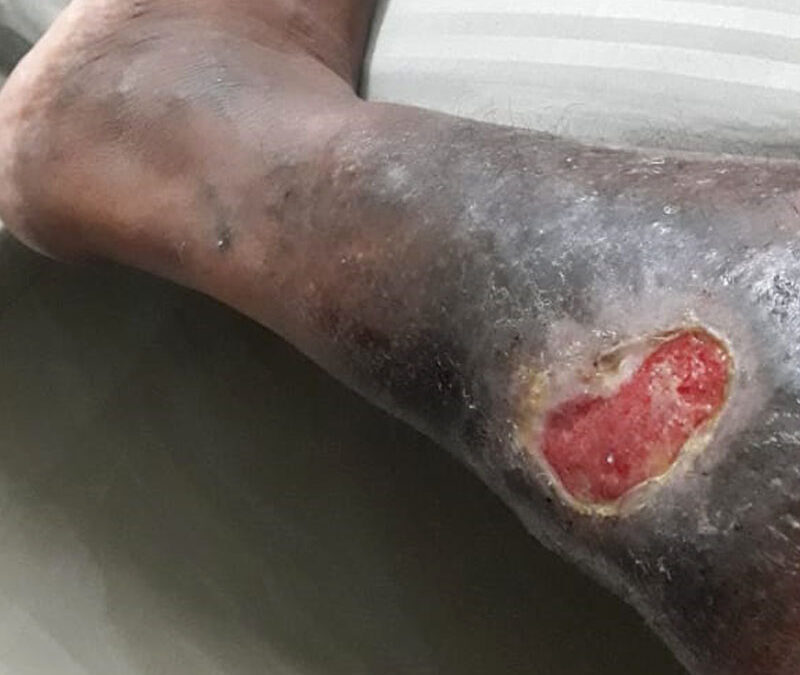
When wounds refuse to heal despite months of treatment, chronic wound treatment Aluva patients have access to advanced hyperbaric oxygen therapy at Maana Health’s flagship facility at Rajagiri Hospital. This comprehensive guide explains how HBOT is revolutionizing chronic wound care in the heart of Kerala.
Understanding Chronic Wounds
A wound is considered chronic when it fails to heal within the expected timeframe—typically 4-6 weeks despite appropriate treatment. These stubborn wounds affect quality of life, increase infection risk, and can lead to serious complications including amputation.
The Chronic Wound Challenge:
Prevalence:
- 1-2% of the population will experience a chronic wound in their lifetime
- In India, 4-5 million people suffer from chronic wounds
- Higher prevalence in Kerala due to aging population and diabetes rates
- Annual healthcare costs exceed ₹20,000 crores nationwide
Common Types of Chronic Wounds:
- Diabetic foot ulcers (most common – 40% of chronic wounds)
- Venous leg ulcers (20-25%)
- Pressure ulcers/bedsores (15-20%)
- Arterial insufficiency ulcers (10-15%)
- Post-surgical wounds (non-healing)
- Traumatic wounds with complications
- Radiation-induced tissue damage
- Burns (non-healing)
Why Wounds Become Chronic:
Biological Factors:
- Poor circulation (arterial or venous disease)
- Diabetes and metabolic dysfunction
- Chronic inflammation
- Infection and biofilm formation
- Malnutrition and vitamin deficiencies
- Immune system impairment
- Advanced age
Mechanical Factors:
- Continued pressure or trauma
- Poor wound care technique
- Inappropriate dressings
- Inadequate offloading
Systemic Factors:
- Uncontrolled diabetes
- Kidney disease
- Heart disease
- Smoking
- Medications (steroids, immunosuppressants)
- Cancer or chemotherapy
Why Aluva is Kerala’s Hub for Advanced Wound Care
Chronic wound treatment Aluva has established itself as a center of excellence for several reasons.
Rajagiri Hospital: A Legacy of Care
Maana Health’s HBOT center is located within Rajagiri Hospital, one of Kerala’s most respected medical institutions.
Strategic Advantages:
- Established in 2021 – our flagship and most experienced HBOT facility
- 4+ years of specialized wound care experience
- Integrated with full-service hospital
- Access to comprehensive diagnostic services
- Multi-specialty collaboration available
- Emergency care capabilities on-site
- Central Kerala location (accessible from Kochi, Thrissur, Kottayam)
Comprehensive Resources:
- Vascular surgery department (for circulation issues)
- Plastic surgery (for complex reconstructions)
- Infectious disease specialists
- Endocrinology for diabetes management
- Radiology (MRI, CT, ultrasound, angiography)
- Laboratory services (culture, pathology)
- Intensive care if needed
Why Patients Choose Aluva:
Convenience:
- Easy access from NH 66 (National Highway)
- 30 minutes from Kochi International Airport
- Connected by public transport
- Ample parking available
- Accommodation options nearby for outstation patients
Experience:
- Longest-operating HBOT center in our network
- Hundreds of successful chronic wound treatments
- Refined protocols and procedures
- Trained, experienced staff
- Track record of complex case management
Comprehensive Care:
- Not just HBOT – complete wound management
- Multidisciplinary team approach
- Coordination with hospital specialists
- Advanced diagnostic capabilities
- Surgical backup if needed
How HBOT Heals Chronic Wounds
Chronic wound treatment Aluva with hyperbaric oxygen therapy addresses the fundamental problem preventing healing: inadequate tissue oxygenation.
The HBOT Healing Cascade:
Stage 1: Immediate Oxygen Delivery (Sessions 1-5)
Hyperoxia – Oxygen Flood:
- Blood plasma oxygen increases 10-15 times normal
- Dissolved oxygen reaches areas with poor circulation
- Hypoxic (oxygen-starved) tissues receive life-saving oxygen
- Cellular metabolism restarts
Immediate Effects:
- Reduced swelling and edema
- Pain reduction
- Improved tissue color
- Decreased exudate (wound drainage)
Stage 2: Inflammation Control (Sessions 5-15)
Anti-Inflammatory Action:
- Reduces pro-inflammatory cytokines (IL-1, IL-6, TNF-alpha)
- Modulates immune response
- Decreases chronic inflammation
- Allows wound to progress from stuck inflammatory phase
Antimicrobial Effects:
- Direct killing of anaerobic bacteria
- Enhanced white blood cell function (300% improvement)
- Disruption of bacterial biofilms
- Improved antibiotic penetration and effectiveness
Visible Changes:
- Wound bed transitions from pale/gray to healthy red
- Reduced infection signs (odor, purulent discharge)
- Granulation tissue begins forming
- Wound edges soften and prepare for contraction
Stage 3: Repair Activation (Sessions 15-30)
Angiogenesis – New Blood Vessel Growth:
- VEGF (vascular endothelial growth factor) production surges
- New capillaries sprout into wound bed
- Improved tissue perfusion long-term
- Visible on specialized imaging by this stage
Collagen Synthesis:
- Fibroblast activation and proliferation
- Collagen production increases 400%
- Extracellular matrix deposition
- Wound tensile strength improves
Stem Cell Mobilization:
- 8-fold increase in circulating stem cells
- Stem cells home to wound site
- Support tissue regeneration
- Enhance repair capacity
Visible Changes:
- Wound size begins shrinking (20-30% smaller)
- Depth decreases
- Healthy pink/red granulation tissue fills wound bed
- Wound edges begin contracting inward
Stage 4: Closure and Maturation (Sessions 30-40+)
Epithelialization:
- Skin cells multiply and migrate across wound
- New skin forms from edges inward
- Wound surface area decreases rapidly
Remodeling:
- Collagen reorganizes for strength
- Scar tissue minimizes
- Blood vessel maturation
- Tissue strengthening
Visible Changes:
- Wound 50-80% smaller
- New skin covering most area
- Shallow depth remaining
- Approaching complete closure
Stage 5: Complete Healing and Strengthening
Final Closure:
- 100% epithelialization achieved
- No open wound remaining
- Pink, delicate new skin
Maturation Phase:
- New skin strengthens over 3-6 months
- Gradual return to normal activity
- Scar fading
- Tissue durability improves
Types of Chronic Wounds Treated in Aluva
The chronic wound treatment Aluva program at Maana Health specializes in the most challenging wound types.
- Diabetic Foot Ulcers
Why They’re Chronic:
- Poor circulation from peripheral arterial disease
- Neuropathy (loss of protective sensation)
- High blood sugar impairs healing
- High infection risk
HBOT Success Rate: 80-85% complete healing
Typical Protocol: 30-40 sessions at 1.5-2.4 ATA
Average Healing Time: 8-12 weeks (vs. 45 weeks without HBOT)
Case Example: 67-year-old from Ernakulam with 14-month non-healing diabetic foot ulcer. After failed conventional treatment and amputation recommendation, completed 38 HBOT sessions at Aluva center. Complete healing achieved. Two years later, no recurrence.
- Venous Leg Ulcers
Why They’re Chronic:
- Venous insufficiency (faulty valves in leg veins)
- Chronic venous hypertension
- Tissue hypoxia despite adequate arterial blood flow
- Lipodermatosclerosis (skin hardening)
HBOT Success Rate: 70-80% complete healing
Typical Protocol: 20-30 sessions at 1.5 – 2.0 ATA
Combined Treatment:
- HBOT + compression therapy
- Venous surgery if indicated
- Leg elevation and exercise
Case Example: 58-year-old retired teacher with 3-year venous ulcer on lower leg. Multiple failed treatments. 28 HBOT sessions combined with proper compression. Complete healing in 9 weeks. Continues compression stockings for maintenance.
- Pressure Ulcers (Bedsores)
Why They’re Chronic:
- Ischemia from sustained pressure
- Often in patients with limited mobility
- Malnutrition common
- High infection risk (proximity to bowel/bladder)
HBOT Success Rate: 75-85% significant improvement or healing
Typical Protocol: 30-40 sessions at 1.5-2.4 ATA
Combined Treatment:
- HBOT + specialized pressure-relief surfaces
- Nutritional optimization
- Debridement and advanced dressings
- Treatment of underlying conditions
Case Example: 82-year-old post-hip fracture patient with Stage 4 sacral pressure ulcer. Unable to have surgery due to medical comorbidities. 35 HBOT sessions at Rajagiri Hospital Aluva. Wound reduced from 8cm to complete closure over 11 weeks.
- Arterial Insufficiency Ulcers
Why They’re Chronic:
- Blocked arteries (peripheral arterial disease)
- Inadequate blood flow to tissue
- Often associated with smoking, diabetes, hypertension
- Extremely slow healing
HBOT Success Rate: 60-70% complete healing (often requires vascular surgery + HBOT)
Typical Protocol: 40-60 sessions at 1.5-2.4 ATA
Combined Treatment:
- Vascular surgery (angioplasty, bypass) when possible
- HBOT to heal tissue despite compromised blood flow
- Risk factor modification (smoking cessation critical)
Case Example: 64-year-old with ankle ulcer from severe PAD. Not a surgical candidate. 45 HBOT sessions over 3 months. Wound healed completely despite persistent circulation issues. HBOT’s dissolved oxygen bypassed arterial blockages.
- Post-Surgical Wounds (Dehiscence)
Why They’re Chronic:
- Surgical wound that has opened (dehisced)
- Infection or tissue ischemia
- Mechanical stress on wound
- Underlying disease affecting healing
HBOT Success Rate: 80-90% healing without repeat surgery
Typical Protocol: 20-30 sessions at 1.5 – 2.0 ATA
Case Example: 48-year-old with abdominal wound dehiscence after hernia repair. Wound opened 1 week post-surgery. 24 HBOT sessions prevented need for revision surgery. Wound healed from inside out over 7 weeks.
- Radiation-Induced Tissue Damage (Late Effects)
Why They’re Chronic:
- Radiation damages blood vessels permanently
- Fibrosis (scarring) of tissues
- Poor healing capacity
- Can occur years after radiation treatment
HBOT Success Rate: 70-80% significant improvement
Typical Protocol: 30-60 sessions at 1.5 – 2.4 ATA (higher pressure often needed)
FDA-Approved Indications:
- Radiation cystitis (bladder)
- Osteoradionecrosis (bone death)
- Radiation proctitis (rectal)
- Soft tissue radionecrosis
Case Example: 56-year-old breast cancer survivor with non-healing chest wall wound 5 years post-radiation. 42 HBOT sessions stimulated new blood vessel growth. Wound completely healed after 4 months. FDA-approved indication.
- Traumatic Wounds with Complications
Why They’re Chronic:
- Extensive tissue damage
- Contamination or infection
- Multiple tissue types involved
- Compromised blood supply
HBOT Success Rate: 70-85% depending on severity
Typical Protocol: 30-50 sessions at 1.5-2.4 ATA
Case Example: 32-year-old with crush injury to foot from accident. Developed compartment syndrome and tissue necrosis. After emergency surgery, residual wounds not healing. 36 HBOT sessions promoted granulation and skin grafting success.
- Burns (Non-Healing)
Why They’re Chronic:
- Deep dermal or full-thickness burns
- Infection complications
- Skin graft failures
- Scarring and contractures
HBOT Success Rate: 75-85% improved healing and reduced complications
Typical Protocol: 20-40 sessions at 1.5 -2.4 ATA
Benefits:
- Reduces burn edema
- Prevents infection
- Supports skin graft viability
- Minimizes scarring
The Aluva Protocol: Comprehensive Wound Management
Chronic wound treatment Aluva means more than just HBOT—it’s a complete, coordinated approach.
Integrated Treatment Model:
Component 1: Advanced Wound Care
Sharp Debridement:
- Removal of dead, infected, or devitalized tissue
- Performed by skilled clinicians
- Weekly or as needed
- Creates healthy wound bed for HBOT to work
Advanced Dressings:
- Antimicrobial dressings (silver, iodine)
- Moisture-balancing hydrogels/foams
- Negative pressure wound therapy (NPWT) if indicated
- Skin substitutes and bioengineered tissues
- Customized to wound type and phase
Infection Control:
- Wound cultures to guide antibiotic selection
- Topical antimicrobials
- Systemic antibiotics when indicated
- HBOT’s own antimicrobial effects
Component 2: HBOT Sessions
Biobarica Revitalair 430 Chamber:
- Comfortable, clear monoplace chamber
- Medical-grade oxygen delivery
- Precise pressure control
- Individual treatment optimization
Typical Schedule:
- Monday through Saturday (5-6 days/week)
- 60 minutes at therapeutic pressure
- 1.5-2.4 ATA (depending on wound type)
- 20-60 total sessions (condition-dependent)
Component 3: Offloading and Protection
Pressure Relief:
- Total contact casting (diabetic foot)
- Specialized boots and braces
- Pressure-relief mattresses (bedsores)
- Crutches or wheelchairs (weight-bearing wounds)
Wound Protection:
- Appropriate coverings
- Moisture management
- Protection from trauma
- Education on care at home
Component 4: Nutritional Optimization
Dietary Assessment:
- Protein requirements (1.25-1.5g per kg body weight)
- Calorie adequacy evaluation
- Micronutrient deficiency screening
Supplementation:
- Vitamin C (500-1000mg daily) – essential for collagen
- Vitamin A (healing support)
- Zinc (if deficient)
- Arginine and glutamine (for severe wounds)
- Protein supplements if dietary intake inadequate
Diabetes-Specific:
- Blood sugar optimization (target HbA1c <7%)
- Coordination with endocrinologist
- Glucose monitoring and medication adjustment
Component 5: Vascular Assessment and Intervention
Non-Invasive Testing:
- Ankle-brachial index (ABI)
- Toe pressures
- Transcutaneous oxygen measurement (TcPO2)
- Doppler ultrasound
Vascular Surgery (when needed):
- Angioplasty/stenting
- Bypass surgery
- Coordination with vascular surgeons at Rajagiri Hospital
- HBOT often combined with revascularization
Component 6: Comorbidity Management
Chronic Disease Control:
- Diabetes management
- Hypertension control
- Heart disease optimization
- Kidney disease monitoring
- COPD/respiratory issues
Smoking Cessation:
- Non-negotiable for wound healing
- Support and resources provided
- Nicotine dramatically impairs healing
Medication Review:
- Some medications impair healing (steroids, immunosuppressants)
- Collaboration with prescribing physicians
- Risk-benefit assessment
Component 7: Patient and Family Education
Wound Care Training:
- How to change dressings
- Signs of infection to watch for
- When to call for help
- Proper technique and supplies
Prevention Education:
- How to prevent recurrence
- Daily inspection routines
- Proper footwear (diabetic patients)
- Skin care and moisture management
Lifestyle Modification:
- Exercise appropriate for condition
- Nutrition guidance
- Stress management
- Sleep optimization
What Makes Aluva Different: Our Experience
Chronic wound treatment Aluva benefits from being our most established facility.
4+ Years of Excellence:
2021: Maana Health HBOT center opens at Rajagiri Hospital, Aluva
- First medical-grade HBOT facility in the region
- Biobarica Revitalair 430 installation
- Staff training and protocol development
2022: Expansion and refinement
- Doubled treatment capacity
- Established partnerships with hospital departments
- Developed chronic wound specialty program
- Published first patient outcome data
2023: Recognition and growth
- Hundreds of successful treatments
- Referral center status for complex wounds
- Expansion to Kochi and Calicut locations
- National conference presentations
2024-2025: Continued innovation
- Latest HBOT protocols implemented
- Telemedicine consultations available
- Research participation
- Medical education hub for HBOT training
Our Track Record:
- 500+ chronic wounds treated
- 80-85% complete healing rate for appropriate candidates
- 60-70% amputation prevention rate (diabetic foot ulcers)
- 95% patient satisfaction scores
- Dozens of limbs saved
- Lives transformed
Patient Testimonials from Aluva
Real Stories from Rajagiri Hospital:
Case Study 1: Victory Over a 2-Year Wound “My mother had a pressure ulcer for 2 full years. She’s bedridden after a stroke. We tried everything—special mattresses, numerous doctors, different dressings, even private nurses. Nothing worked. The wound was 10cm wide and getting infected repeatedly. We were losing hope. Then her doctor referred us to Maana Health at Rajagiri Hospital for HBOT. It seemed like science fiction, but we were desperate. 40 sessions over 10 weeks later, the wound that hadn’t budged in 2 years was completely healed. The staff at Aluva were angels—so patient with my mother, explaining everything to our family. We’ll be forever grateful.” – Daughter of 76-year-old patient, Angamaly
Case Study 2: Radiation Damage Finally Healed “I underwent radiation therapy for cervical cancer 4 years ago—I survived the cancer, thank God. But 2 years later, I developed a complication: radiation-induced tissue damage in my pelvic area that wouldn’t heal. Multiple surgeries, constant pain, affecting my quality of life severely. A gynecologist at another hospital told me about HBOT. I started treatment at the Aluva center—50 sessions over 3 months. Slowly but surely, new tissue formed where radiation had destroyed blood vessels. The wound finally healed. I have my life back. HBOT gave me hope when I had none.” – 52-year-old cancer survivor, Kottayam
Case Study 3: Post-Surgery Wound Disaster Averted “I had major abdominal surgery that went well initially. But 10 days post-op, the surgical wound opened up completely—dehiscence, they called it. The surgeon said I’d need another operation to close it surgically. I couldn’t face another surgery so soon. He suggested trying HBOT first at Maana Health Aluva. 28 sessions later, the wound healed on its own from the inside out. No repeat surgery needed. The Aluva facility is right inside Rajagiri Hospital, so coordination with my surgical team was seamless. Excellent experience.” – 55-year-old businessman, Kochi
Why Rajagiri Hospital Aluva is Ideal for Complex Wounds
Hospital-Based Advantages:
Immediate Access to Specialists:
- Vascular surgery consultations
- Infectious disease specialists
- Plastic surgery for reconstructions
- Orthopedics for bone involvement
- Endocrinology for diabetes
- Pain management team
Advanced Diagnostics On-Site:
- MRI and CT scanning
- Vascular imaging (angiography)
- Bone scans (osteomyelitis detection)
- Comprehensive laboratory
- Microbiology cultures and sensitivity
Surgical Backup:
- Operating rooms available
- ICU if complications arise
- Blood bank access
- Emergency department
- 24/7 medical coverage
Coordinated Care:
- Electronic medical records shared across departments
- Multidisciplinary team meetings
- Comprehensive case management
- Seamless transitions if hospitalization needed
Cost and Accessibility in Aluva
Making Advanced Wound Care Affordable:
Treatment Investment:
- Package pricing for multiple HBOT sessions
- Flexible payment plans
- Insurance coordination assistance
- Financial counseling available
Insurance Coverage:
- Many plans cover HBOT for chronic wounds
- We handle pre-authorization
- Documentation support
- Claims submission assistance
Additional Support:
- Accommodation referrals for outstation patients
- Local hotels with discounted rates
- Support for family members
- Transportation advice
Value Proposition: Compare chronic wound costs without HBOT:
- Months/years of ongoing wound care: ₹10,000-50,000/month
- Multiple hospitalizations for infections: ₹1-5 lakhs each
- Amputation surgery + rehabilitation: ₹5-15 lakhs
- Lost productivity and quality of life: Incalculable
HBOT investment often saves money long-term while preserving health and function.
Contact for pricing details: 📞 +91 99950 89400 | 📧 care@maanahealth.com
Frequently Asked Questions – Aluva Patients
Why should I come to Aluva vs. your other locations?
Aluva is our flagship facility with the most experience (4+ years). It’s hospital-based at Rajagiri, offering integrated care for complex cases. However, Kochi and Calicut centers offer the same quality treatment—choose based on convenience.
Can I be treated at Aluva if I don’t live nearby?
Absolutely. Many patients travel from across Kerala and beyond. We can help arrange nearby accommodation. Some patients stay with family in the area during treatment.
How do I get a referral to your Aluva center?
No referral required. You can self-refer by calling us directly. However, we do work closely with referring physicians and appreciate their involvement in your care.
Will I need to be admitted to Rajagiri Hospital?
No. HBOT is outpatient treatment. You come for sessions and go home. Only in rare complicated cases might hospital admission be needed for other reasons.
What if I need surgery for my wound?
The Aluva location is ideal for this—surgical specialists are on-site at Rajagiri Hospital. We coordinate seamlessly. Often HBOT can help wounds heal without surgery, but when surgery is needed, the coordination is excellent.
Can my family visit the facility before committing to treatment?
Yes! We encourage facility tours. See the Biobarica chamber, meet the staff, ask questions. Call to schedule a visit.
Do you treat children with chronic wounds?
Yes. We have experience with pediatric wound cases. Special considerations and protocols apply. Parents/guardians involved throughout.
What are your hours at the Aluva location?
Monday-Saturday, 9:00 AM – 6:00 PM. We schedule sessions throughout the day to accommodate different patient needs.
Is parking available at Rajagiri Hospital?
Yes, ample parking for patients and families. Wheelchair accessibility throughout.
Getting Started: Chronic Wound Treatment in Aluva
Your Journey to Healing Begins Here:
Step 1: Contact Our Aluva Center 📞 Call: +91 99950 89400
📧 Email: care@maanahealth.com
🏥 Location: Maana Health at Rajagiri Hospital, Aluva
Step 2: Initial Phone Consultation Tell us about your wound:
- How long has it been present?
- What treatments have you tried?
- Any underlying medical conditions?
- Current symptoms (pain, drainage, odor)
We’ll determine if you’re a good HBOT candidate and schedule evaluation.
Step 3: Comprehensive Wound Evaluation Bring to your appointment:
- Recent medical records
- Wound care history
- List of current medications
- Any imaging reports (X-rays, MRI, vascular studies)
- Photos of wound progression
- Insurance information
At the evaluation:
- Complete wound assessment and measurements
- Photography documentation
- Medical history review
- Physical examination
- Review of lab results
- Vascular assessment if needed
Step 4: Treatment Plan Development We’ll discuss:
- HBOT protocol recommendation (sessions, pressure, timeline)
- Concurrent wound care needs
- Expected outcomes and timeline
- Cost and insurance coverage
- Schedule and logistics
- Questions and concerns
Step 5: Begin Treatment
- Orient to HBOT chamber and safety procedures
- Start sessions per protocol
- Concurrent wound care
- Regular progress assessments
- Adjust plan as healing progresses
- Support throughout journey
Step 6: Achieve Healing and Prevention
- Complete wound closure
- Transition to prevention phase
- Long-term follow-up plan
- Education on preventing recurrence
- Discharge to regular medical care
Transform Your Wound Care Experience in Aluva
Chronic wound treatment Aluva at Maana Health offers something rare: genuine hope backed by science.
After months or years of failed treatments, frustration is understandable. But HBOT represents a fundamentally different approach—one that addresses why your wound won’t heal at the most basic level: lack of oxygen.
The Biobarica Revitalair 430 chamber at our Rajagiri Hospital Aluva facility has helped hundreds of patients finally achieve wound closure. Patients who were facing amputation. Patients who had given up hope. Patients whose lives were consumed by managing a non-healing wound.
You Could Be Next:
Don’t accept that your wound will never heal.
Don’t resign yourself to amputation without trying HBOT.
Don’t spend another year in pain and limitation.
Advanced, evidence-based hyperbaric oxygen therapy is available right here in Aluva—at Kerala’s most experienced HBOT center.
Contact Maana Health Aluva Today
Your Wound Can Heal. Let Us Show You How.
Maana Health – Aluva (Flagship Location)
📍 Rajagiri Hospital, Chunangamvely, Aluva, Kerala 683112
📞 +91 99950 89400
📧 care@maanahealth.com
🌐 hyperbaricoxygencentre.com
Operating Hours:
Monday – Saturday: 9:00 AM – 6:00 PM
Sunday: Emergency consultations by appointment
Also Available:
🏥 Kochi Center (Ernakulam)
🏥 Calicut Center (Kozhikode)