
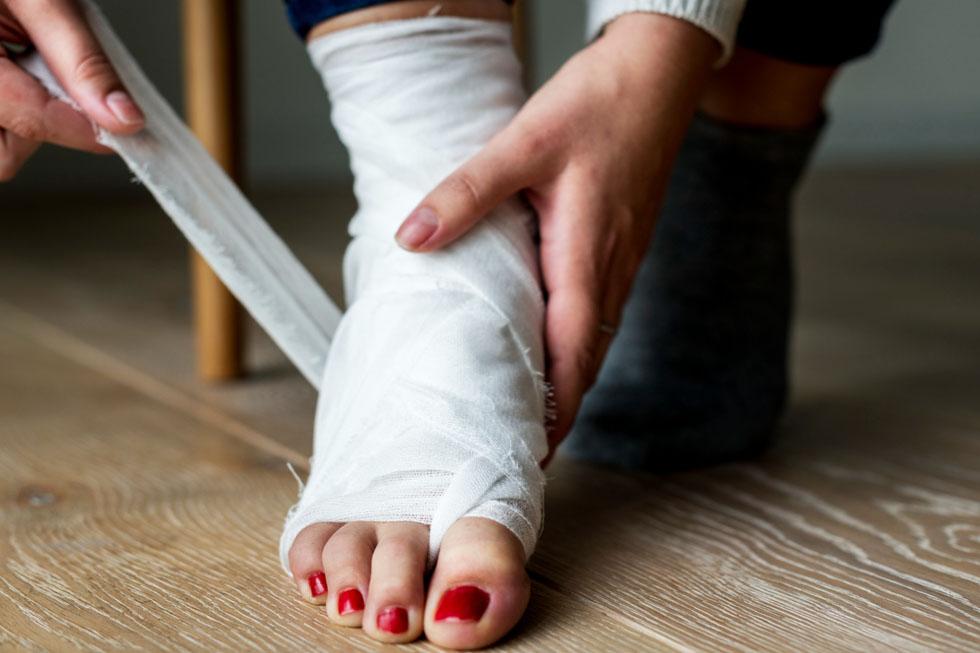
When chronic wounds refuse to heal despite conventional treatment, wound healing therapy Kerala with hyperbaric oxygen therapy (HBOT) offers a proven solution. This guide explores how HBOT accelerates wound healing and where to find the best treatment centers in Kerala.
The Challenge of Chronic Wounds
Chronic wounds affect millions of people, causing pain, infection risk, reduced mobility, and diminished quality of life. In Kerala, diabetic foot ulcers, pressure sores, and post-surgical wounds are increasingly common.
What Makes a Wound “Chronic”?
A wound that hasn’t healed in 4-6 weeks despite appropriate treatment is considered chronic. These wounds get stuck in the inflammatory phase and cannot progress to healing.
Common Chronic Wounds:
- Diabetic foot ulcers (most common in Kerala)
- Pressure ulcers (bedsores)
- Venous leg ulcers
- Arterial insufficiency ulcers
- Post-surgical wounds
- Radiation-induced tissue damage
- Burns (non-healing)
- Traumatic wounds with complications
Why Conventional Wound Care Sometimes Fails
Factors Preventing Healing:
- Poor blood circulation to the wound area
- Infection (bacterial biofilms resistant to antibiotics)
- Diabetes (high blood sugar impairs healing)
- Malnutrition (lack of building blocks for tissue repair)
- Pressure (continued trauma to the area)
- Inflammation (chronic inflammation prevents progression)
This is where wound healing therapy Kerala with HBOT changes the game.
How HBOT Accelerates Wound Healing
Hyperbaric oxygen therapy addresses the root causes of non-healing wounds at the cellular level.
![Medical animation: Oxygen molecules penetrating wound tissue, showing increased collagen production and blood vessel formation]
The HBOT Wound Healing Mechanism:
- Hyperoxia – Flooding Tissues with OxygenHBOT increases oxygen in blood plasma by 10-15 times normal levels. This dissolved oxygen reaches areas with poor circulation where red blood cells cannot go.
- Angiogenesis – Building New Blood VesselsOxygen stimulates VEGF (vascular endothelial growth factor), triggering new blood vessel formation. More blood vessels mean better nutrient delivery and waste removal.
- Fibroblast Proliferation – Collagen ProductionOxygen activates fibroblasts, the cells that produce collagen. Collagen is the structural protein essential for wound closure.
- Enhanced White Blood Cell FunctionOxygen supercharges immune cells, improving their ability to kill bacteria and fight infection—even antibiotic-resistant strains.
- Stem Cell MobilizationHBOT increases circulating stem cells by 800%, recruiting repair cells to the wound site.
- Reduces Swelling and InflammationOxygen has anti-inflammatory effects, helping wounds progress from inflammation to repair phase.
Clinical Evidence: HBOT for Wound Healing
Wound healing therapy Kerala practitioners use HBOT based on decades of research:
Key Evidence:
- FDA-approved for diabetic foot ulcers and other chronic wounds
- 80-85% success rate in preventing amputation for diabetic foot ulcers
- Cochrane Review confirms HBOT significantly improves healing rates
- Reduced healing time by 40-50% compared to standard care alone
- Lower amputation rates in diabetic patients receiving HBOT
Published Research Highlights:
- Patients with diabetic foot ulcers: 3x more likely to heal completely with HBOT
- Average healing time reduced from 45 weeks to 24 weeks
- Amputation risk reduced by 60% when HBOT added to standard care
Types of Wounds Treated at Maana Health
Our wound healing therapy Kerala centers specialize in treating difficult, non-healing wounds.
Wounds We Treat:
Diabetic Foot Ulcers The #1 reason for HBOT in Kerala. Diabetes impairs circulation and immune function, making foot ulcers dangerous and slow to heal.
Pressure Ulcers (Bedsores) Common in bedridden patients. HBOT accelerates healing even in severe Stage 3-4 ulcers.
Post-Surgical Wound Complications When surgical wounds dehisce (open) or become infected, HBOT rescues failing healing.
Radiation Tissue Damage Cancer patients who received radiation may develop tissue breakdown years later. HBOT is FDA-approved for this indication.
Venous and Arterial Ulcers Circulation problems cause leg ulcers that don’t heal. HBOT improves oxygenation despite poor blood flow.
Crush Injuries and Traumatic Wounds Severe trauma damages tissue viability. HBOT preserves tissue and prevents amputation.
Osteomyelitis (Bone Infection) When infection reaches bone, HBOT enhances antibiotic effectiveness and immune function.
Necrotizing Soft Tissue Infections Life-threatening infections that destroy tissue. HBOT is emergency treatment alongside antibiotics and surgery.
HBOT Wound Care Protocol at Maana Health
Our wound healing therapy Kerala program combines HBOT with advanced wound care.
Integrated Approach:
- Initial Assessment
- Complete wound evaluation (size, depth, infection signs)
- Vascular assessment (blood flow to the area)
- Nutritional status
- Underlying conditions (diabetes control, etc.)
- Photography for progress tracking
- Wound Preparation
- Debridement (removal of dead tissue)
- Infection control (antibiotics if needed)
- Offloading (removing pressure from wound)
- Advanced dressings
- HBOT Sessions
- Typical protocol: 20-40 sessions
- Frequency: 5-6 days per week
- Duration: 60 minutes at therapeutic pressure
- Pressure: 1.5-2.0 ATA for wound healing
- Oxygen: 100% medical-grade
- Ongoing Wound Care
- Regular dressing changes
- Infection monitoring
- Nutritional support
- Diabetes management (if applicable)
- Weekly wound measurements
- Post-Healing Support
- Prevention education
- Protective footwear (diabetic patients)
- Compression therapy (venous ulcers)
- Regular follow-ups
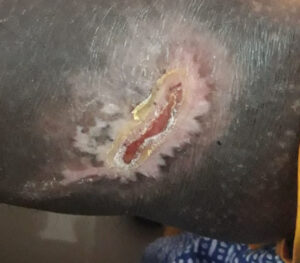
Day25
What to Expect: Results Timeline
Wound healing therapy Kerala patients typically see improvements within 2-3 weeks.
Typical Healing Timeline with HBOT:
Week 1-2: Foundation Phase
- Reduced swelling and inflammation
- Wound bed becomes healthier (red, granulating tissue)
- Pain reduction
- Decrease in wound drainage
Week 3-4: Active Healing
- Wound size begins to shrink
- Edges start to close
- New tissue growth visible
- Reduced infection signs
Week 5-8: Accelerated Progress
- Significant size reduction (50%+ smaller)
- Wound depth decreases
- Healthy pink tissue fills the wound bed
- Patient mobility improves
Week 9-12: Closure
- Complete wound closure (many patients)
- Strong new tissue formation
- Return to normal activities
- Prevention phase begins
Success Stories: Wounds That Healed with HBOT
Case Study: 62-Year-Old with Diabetic Foot Ulcer
“I had a non-healing ulcer on my foot for 14 months. Three different doctors recommended amputation. As a last resort, I tried HBOT at Maana Health in Aluva. After 32 sessions, my wound completely closed. I still have my foot and I’m walking again.”
Case Study: 78-Year-Old with Pressure Ulcer
“My mother developed a severe bedsore after hip surgery. Nothing worked—creams, dressings, antibiotics. HBOT at the Kochi center saved her. The wound healed in 8 weeks, and she avoided another surgery.”
Why Choose Maana Health for Wound Healing?
Best Wound Healing Therapy Kerala Centers:
✅ Specialized Expertise
- Board-certified Physical Medicine & Rehabilitation specialists
- Trained wound care nurses
- 4+ years of HBOT experience
- Hundreds of wounds healed
✅ World-Class Equipment
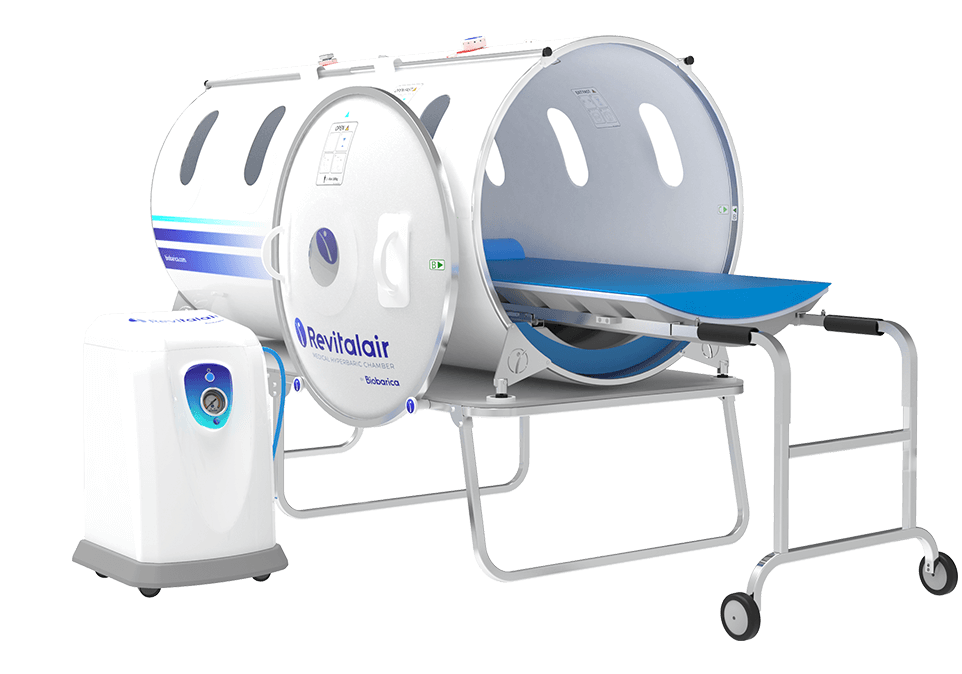
- Biobarica Revitalair 430 chambers
- Medical-grade oxygen delivery
- Advanced wound care technologies
- State-of-the-art facilities
✅ Comprehensive Care
- HBOT + advanced wound care
- Nutritional counseling
- Diabetes management support
- Vascular assessment
- Pain management
✅ Evidence-Based Protocols
- Following international UHMS guidelines
- FDA-approved indications
- Proven success rates
- Regular protocol updates based on the latest research
✅ Three Convenient Locations
- Kochi (Ernakulam)
- Calicut (Kozhikode)
- Rajagiri Hospital, Aluva
Safety of HBOT for Wound Patients
Wound healing therapy in Kerala with HBOT is extremely safe under proper medical supervision.
Safety Profile:
- Minimal side effects
- Non-invasive treatment
- No drug interactions
- Can be combined with all standard wound treatments
- Suitable for elderly patients
- Safe for diabetic patients
Monitoring:
- Continuous observation during treatment
- Blood sugar monitoring (diabetic patients)
- Blood pressure checks
- Wound infection surveillance
- Regular communication with your primary physician
Cost and Insurance Coverage
Investment in Healing:
- Typical wound healing requires 20-40 sessions
- Package pricing available
- Some insurance plans cover HBOT for diabetic foot ulcers
- Compared to amputation costs, HBOT is cost-effective
Consider the True Costs of Not Healing:
- Ongoing wound care supplies: ₹5,000-10,000/month
- Multiple doctor visits and procedures
- Lost work/productivity
- Potential amputation surgery: ₹2-5 lakhs
- Prosthetics and rehabilitation: ₹3-10 lakhs
- Reduced quality of life: Priceless
HBOT often saves money in the long run by preventing these complications.
Contact us for pricing information: 📞 +91 99950 89400 | 📧 care@maanahealth.com
Frequently Asked Questions
How quickly will my wound heal with HBOT?
Most patients see significant improvement in 4-6 weeks. Complete healing typically occurs in 8-12 weeks, depending on wound severity.
Is HBOT painful for wound patients?
No. HBOT is painless. Many patients report that their wound pain decreases after starting HBOT.
Can HBOT help if I have poor circulation?
Yes! That’s one of HBOT’s key benefits. The dissolved oxygen in plasma reaches areas with poor blood flow.
Will I need surgery along with HBOT?
Some wounds require debridement (removal of dead tissue), but HBOT often helps avoid major surgery or amputation.
How do I know if my wound qualifies for HBOT?
Schedule a consultation. Generally, wounds that haven’t healed in 4-6 weeks despite appropriate treatment are candidates.
Can HBOT treat infected wounds?
Yes. HBOT enhances your immune system’s ability to fight infection and improves antibiotic effectiveness.
Getting Started: Wound Healing Therapy Kerala
Take Action Now:
Don’t wait until amputation is the only option. Early HBOT intervention produces the best results.
Schedule Your Wound Evaluation:
Step 1: Contact Us
- Call: +91 99950 89400
- Email: care@maanahealth.com
- Choose location: Kochi, Calicut, or Aluva
Step 2: Bring Documentation
- Photos of your wound
- List of treatments tried
- Medical records
- Current medications
- Recent blood work (especially HbA1c if diabetic)
Step 3: Comprehensive Evaluation
- Wound assessment
- Medical history review
- Treatment plan discussion
- Expected timeline and costs
- Insurance verification
Step 4: Begin Treatment
- Start HBOT sessions
- Continue advanced wound care
- Regular progress monitoring
- Family education
Hope for Non-Healing Wounds
Wound healing therapy in Kerala has transformed outcomes for patients with chronic wounds. At Maana Health, we’ve helped hundreds of patients avoid amputation and regain their quality of life.
Your wound may be chronic, but it doesn’t have to be permanent. With HBOT and comprehensive wound care, healing is possible—even after months or years of failed treatments.
Contact Maana Health Today
Three Locations Across Kerala:
Kochi: Modern wound care facility
Calicut: Full-service HBOT center
Aluva (Rajagiri Hospital): Our flagship location
📞 +91 99950 89400
📧 care@maanahealth.com
🌐 hyperbaricoxygencentre.com